Build A Personal Brand Guide
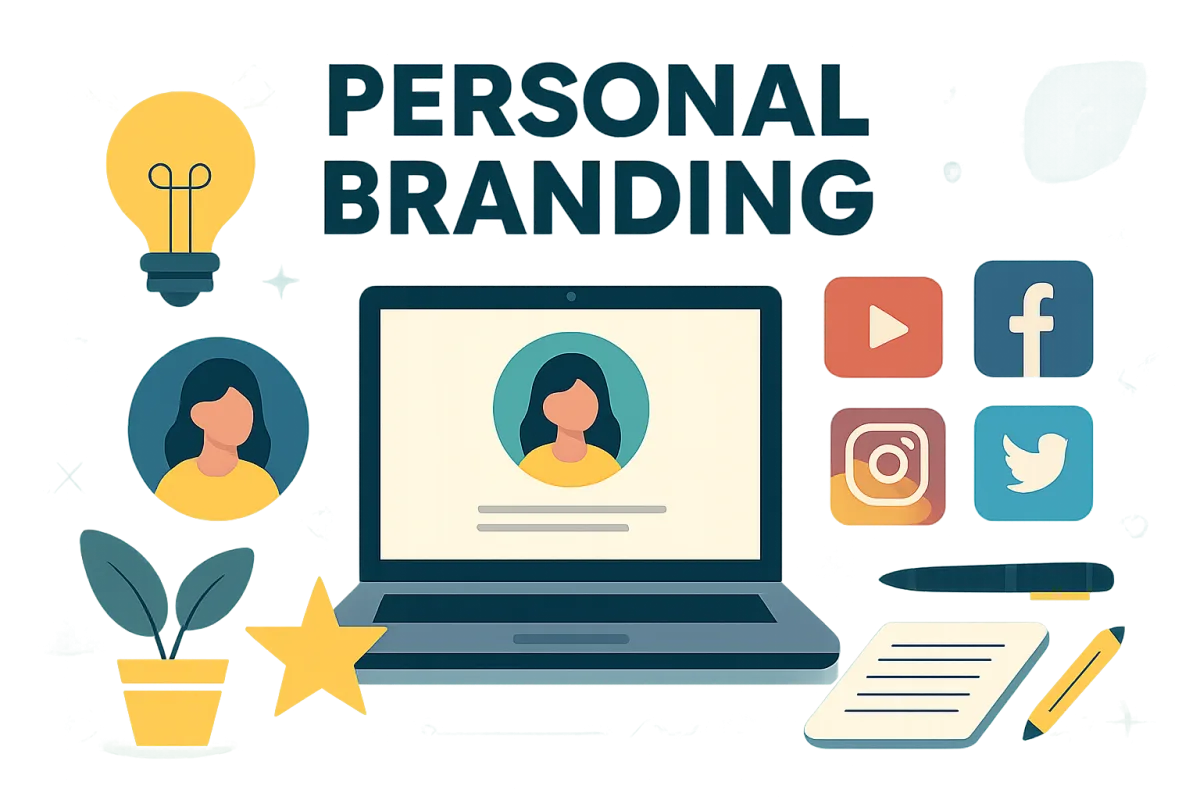
Building a personal brand involves defining your unique value proposition, consistently communicating it across platforms, and engaging with your audience authentically. Start by identifying your strengths and passions, then create a cohesive online presence through social media, a personal website, or a blog. Regularly share content that reflects your expertise and interests, and interact with your audience to foster community. Over time, this will help establish your reputation and attract opportunities aligned with your brand.
Quick Summary
Creating a personal brand is essential for standing out in today's competitive landscape. It starts with understanding your unique strengths and values, which should be consistently communicated through various platforms. Engaging authentically with your audience is crucial, as it builds trust and community. By sharing relevant content and showcasing your expertise, you can effectively position yourself as a thought leader in your field. This guide will provide actionable steps to help you develop and maintain a strong personal brand.
Curator Notes
Defining your personal brand begins with introspection. Identify what makes you unique—your skills, experiences, and passions. This clarity will serve as the foundation for your brand.
Consider what you want to be known for and how you can convey that to your audience. This self-awareness is crucial, as it informs your messaging and the platforms you choose to engage with. Once you have a clear understanding of your brand, it’s time to create a consistent online presence.
This could be through social media profiles, a personal website, or a blog. Ensure that your visual branding—like logos and color schemes—aligns with your message. Consistency in tone and style across platforms helps reinforce your identity and makes you more recognizable.
Content creation plays a vital role in building your personal brand. Share insights, experiences, and knowledge relevant to your field. This not only showcases your expertise but also provides value to your audience.
Regularly posting content keeps you top-of-mind and encourages engagement. Consider using various formats, such as articles, videos, or podcasts, to reach different segments of your audience. Engagement is key to fostering a community around your brand.
Respond to comments, ask for feedback, and participate in discussions. This two-way communication builds trust and loyalty among your followers. Authenticity is crucial; be genuine in your interactions and share both successes and challenges.
This transparency can make you more relatable and humanizes your brand. Networking is another essential aspect of personal branding. Connect with other professionals in your industry through events, webinars, or online forums.
Collaborating with others can enhance your visibility and credibility. Additionally, consider seeking mentorship or guidance from established figures in your field to gain insights and expand your reach. Finally, monitor your brand's perception over time.
Use analytics tools to track engagement and audience growth. Be open to feedback and willing to adapt your strategy as needed. Personal branding is an ongoing process that evolves with your career and personal growth, so stay flexible and responsive to changes in your industry and audience preferences.
Recommended Options
- Canva: Best for Creating visually appealing graphics and branding materials. Canva offers user-friendly design tools that are perfect for non-designers. Signal checked: Widely used by entrepreneurs and marketers for social media graphics. Alternative to consider: Adobe Spark for more advanced design features.
- WordPress: Best for Building a personal website or blog. Highly customizable and SEO-friendly, making it ideal for personal branding. Signal checked: Powers over 40% of the web, indicating its popularity and reliability. Alternative to consider: Wix for a more drag-and-drop approach.
- Hootsuite: Best for Managing social media accounts efficiently. Allows scheduling posts across multiple platforms, saving time. Signal checked: Trusted by over 18 million users worldwide. Alternative to consider: Buffer for a simpler interface.
Best Sources
Videos and Community Signals
FREE Workbook – download How to Build Your Brand Workbook here: http://calebralston.com/workbook Learn how to make ...
Want to SCALE your business and audience? Go here: https://fos.now/yt-apply-0304 Want to LEARN proven systems to grow your ...
Comparison
| Decision Point | Good Starting Choice | When to Go Further |
|---|---|---|
| Content Creation Tools | Canva for simple graphics and social media posts. | Adobe Creative Suite for professional-grade design. |
| Website Building | WordPress for a customizable blog. | Squarespace for all-in-one design and hosting solutions. |
| Social Media Management | Hootsuite for basic scheduling. | Sprout Social for in-depth analytics and reporting. |
FAQ
A personal brand is how you present yourself to the world, encompassing your skills, values, and personality.
It helps you stand out in a crowded market, attract opportunities, and build a professional reputation.
Track engagement metrics, follower growth, and feedback from your audience to assess your brand's impact.