Budgeting Fluctuating Income
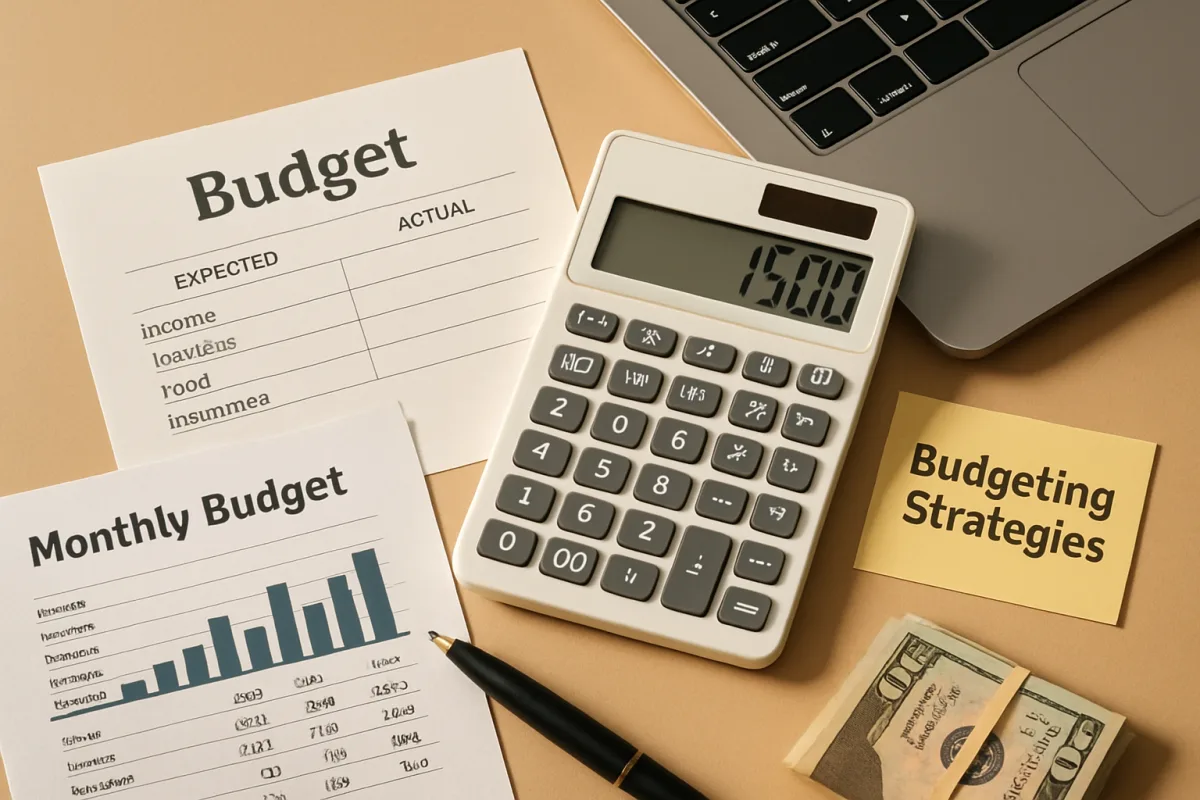
Budgeting with fluctuating income requires a flexible approach. Start by tracking your income and expenses to identify patterns. Use a zero-based budgeting method, allocating every dollar to specific expenses, savings, or debt repayment. Consider creating an emergency fund to cover months with lower income. Tools like YNAB (You Need A Budget) or Mint can help manage your finances effectively. Adjust your budget monthly based on your income fluctuations, ensuring you prioritize essential expenses first.
Quick Summary
Managing a budget with fluctuating income can be challenging but is achievable with the right strategies. Begin by tracking your income and expenses to understand your financial landscape. Implement a zero-based budgeting approach, ensuring every dollar has a purpose. Establish an emergency fund to buffer against lower income months. Utilize budgeting tools like YNAB or Mint for better tracking. Regularly adjust your budget to reflect income changes, focusing on essential expenses first. This proactive approach can lead to financial stability despite income variability.
Curator Notes
Budgeting with fluctuating income is a common challenge, especially for freelancers, contractors, or those in commission-based jobs. The key is to create a flexible budget that can adapt to income changes while ensuring all essential expenses are covered. Start by tracking your income over several months to identify patterns.
This will help you understand your average income and the variability you can expect. Using a zero-based budgeting method can be particularly effective. This approach allocates every dollar of your income to specific expenses, savings, or debt repayment, ensuring that you have a plan for every dollar you earn.
It helps in prioritizing your spending and can prevent overspending during months of higher income. Establishing an emergency fund is crucial for anyone with fluctuating income. Aim to save at least three to six months’ worth of living expenses.
This fund acts as a safety net during lean months, allowing you to cover essential expenses without going into debt. It can provide peace of mind and financial stability. Consider utilizing budgeting tools like YNAB (You Need A Budget) or Mint.
These platforms help you track your income and expenses in real-time, making it easier to adjust your budget as your income fluctuates. They also offer features like goal-setting and expense categorization, which can enhance your budgeting strategy. Regularly revisiting and adjusting your budget is essential.
At the end of each month, review your income and expenses to see if your budget needs tweaking. If you notice a trend of lower income, you may need to cut discretionary spending or find ways to increase your income. Conversely, in months of higher income, consider allocating more to savings or debt repayment.
It's also important to prioritize your expenses. Identify which expenses are essential, such as housing, utilities, and groceries, and ensure these are covered first. Discretionary spending should be flexible and adjusted based on your income for the month.
Lastly, consider diversifying your income streams if possible. This could involve taking on side gigs, freelance work, or passive income opportunities. A more stable income base can reduce the stress of budgeting and provide more financial security in the long run.
Recommended Options
- You Need A Budget (YNAB): Best for Individuals seeking proactive budgeting tools YNAB emphasizes proactive budgeting and financial awareness, making it ideal for those with variable incomes. Signal checked: Highly rated by users for its educational resources and community support. Alternative to consider: Mint, which offers free budgeting tools but less focus on proactive financial management.
- Intuit Mint: Best for Users looking for a free budgeting solution Mint provides comprehensive financial tracking and budgeting features at no cost. Signal checked: Popular among users for its ease of use and integration with bank accounts. Alternative to consider: PocketGuard, which focuses on showing how much disposable income you have.
Best Sources
Videos and Community Signals
An irregular income just means you don't get paid the exact same each paycheck. It can make budgeting a bit tricker . . . but not ...
Gabrielle and her husband have an irregular income flow so she asks Dave the best way to budget and plan when they aren't ...
Comparison
| Decision Point | Good Starting Choice | When to Go Further |
|---|---|---|
| Budgeting Method | Zero-Based Budgeting: Good for clear financial goals. | Envelope System: Effective for controlling discretionary spending. |
| Emergency Fund | 3 months of expenses: Basic safety net. | 6 months of expenses: More security for fluctuating income. |
| Budgeting Tools | Mint: Free and user-friendly. | YNAB: Paid but offers in-depth budgeting education. |
FAQ
Begin by tracking your income and expenses to identify patterns. Use a zero-based budgeting method to allocate every dollar.
An emergency fund is savings set aside to cover unexpected expenses or income drops, ideally covering 3-6 months of living costs.
Tools like YNAB and Mint are popular for tracking income and expenses, each offering unique features to suit different needs.