Brand Identity Design Explained
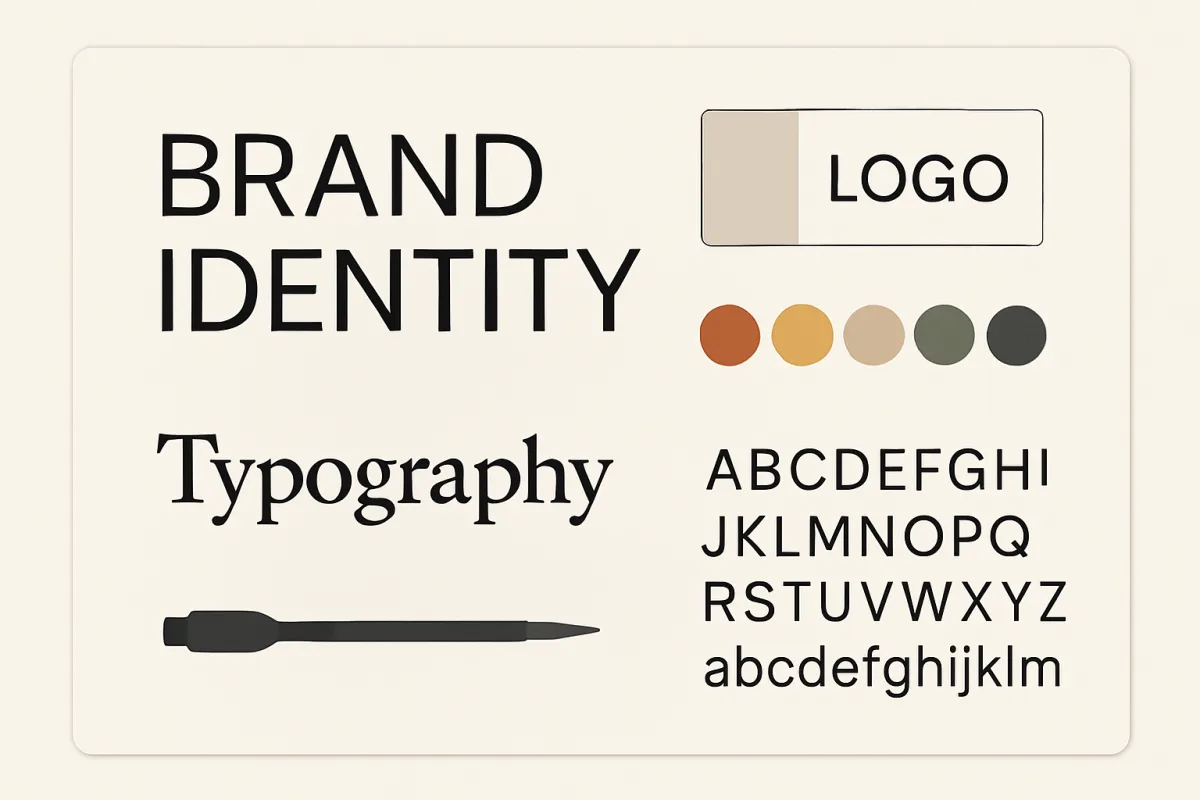
Brand identity design encompasses the visual elements and messaging that represent a brand. It includes logos, color schemes, typography, and overall aesthetic that communicate the brand's values and personality. A strong brand identity helps differentiate a business in a crowded market, fosters customer loyalty, and establishes a recognizable presence. Key components include consistency in design across platforms and a clear understanding of the target audience.
Quick Summary
Brand identity design is crucial for businesses looking to establish a unique presence in the market. It involves creating visual elements and messaging that reflect the brand's values and connect with the target audience. A well-defined brand identity can lead to increased customer loyalty and recognition.
Curator Notes
Brand identity design is a strategic process that involves creating a cohesive visual and emotional representation of a brand. This includes elements such as logos, color palettes, typography, and imagery that collectively convey the brand's message and values. A well-designed brand identity not only helps differentiate a business from its competitors but also fosters trust and loyalty among customers.
To create an effective brand identity, businesses must first understand their target audience and market positioning. This involves conducting research to identify customer preferences and trends. Once this foundation is established, designers can develop visual elements that resonate with the audience while aligning with the brand's core values.
Consistency across all platforms—be it online or offline—is essential to reinforce brand recognition and credibility. In summary, brand identity design is not merely about aesthetics; it’s about creating a meaningful connection with customers. A strong brand identity can significantly impact a business's success by enhancing visibility, fostering loyalty, and driving engagement.
Best Sources
Videos and Community Signals
What is branding? A brand is not a logo. A brand is not a product. A brand is not a promise. A brand is not the sum of all the ...
Brand identity design process explained step by step! Learn how to create a complete brand identity, from logo to color palette, ...
Comparison
| Decision Point | Good Starting Choice | When to Go Further |
|---|---|---|
| Online booking | A simple booking page with service duration, staff assignment and confirmation emails. | Multi-location calendars, deposits, cancellation rules and waitlist handling. |
| Client records | Basic notes, visit history and contact details are enough to start. | Segmentation, purchase history, memberships, forms and before-after notes become more important. |
| Reminders | SMS or email reminders help reduce no-shows without adding admin work. | Automated rebooking, follow-up campaigns and missed-appointment recovery matter more. |
| Payments | Card capture and checkout should be simple and transparent. | Packages, memberships, staff commissions, tips and refunds need cleaner reporting. |
| Marketing | Light email or SMS campaigns are useful if they are easy to run. | Automated win-back, birthday offers, review requests and audience segments create more leverage. |
FAQ
Key components include logos, color schemes, typography, imagery, and messaging that collectively represent the brand's values and personality.
Brand identity is important because it helps differentiate a business, fosters customer loyalty, and establishes a recognizable presence in the market.
A business can develop its brand identity by understanding its target audience, conducting market research, and creating cohesive visual elements that reflect its core values.