Body Recomposition Explained
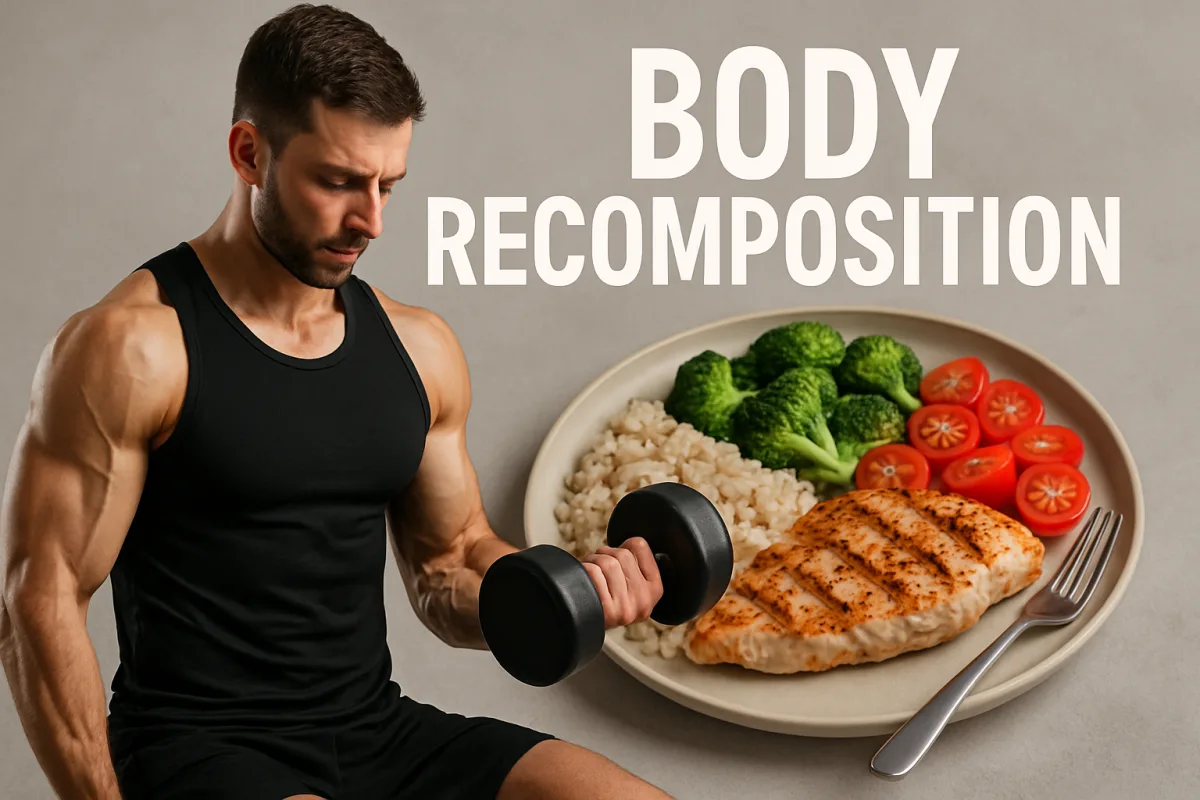
Body recomposition refers to the process of simultaneously losing fat and gaining muscle. This approach contrasts with traditional weight loss methods that focus solely on fat loss. Effective body recomposition typically involves a combination of resistance training, a balanced diet rich in protein, and careful management of caloric intake. The goal is to improve body composition rather than just scale weight, making it a popular strategy among fitness enthusiasts and those looking to enhance their physique.
Quick Summary
Body recomposition is the dual process of losing fat while gaining muscle. It requires a strategic approach involving resistance training and a protein-rich diet. Unlike conventional weight loss, which focuses solely on fat loss, body recomposition aims to improve overall body composition, making it a favored method among fitness enthusiasts.
Curator Notes
Body recomposition is a fitness strategy that emphasizes changing the body's composition by reducing fat and increasing muscle mass simultaneously. This method is particularly appealing to those who want to improve their physique without the drastic weight fluctuations often associated with traditional dieting. It requires a well-structured plan that includes both exercise and nutrition tailored to individual goals.
To achieve successful body recomposition, individuals typically engage in regular resistance training, which helps stimulate muscle growth. This is complemented by a diet that prioritizes protein intake, essential for muscle repair and growth. Additionally, managing caloric intake—ensuring a slight deficit for fat loss while providing enough energy for workouts—is crucial.
The balance of these elements can lead to a more toned and defined physique over time. While body recomposition can be effective, it requires patience and consistency. Unlike rapid weight loss methods, the changes in body composition may take longer to manifest.
Therefore, tracking progress through measurements and photos rather than solely relying on the scale can provide a more accurate picture of success. This approach is beneficial for those looking to enhance their fitness levels and overall health without extreme dieting.
Recommended Options
- MyFitnessPal: Best for Tracking nutrition and caloric intake Offers a comprehensive food database and easy logging features. Signal checked: Highly rated by users for its user-friendly interface and effectiveness. Alternative to consider: Cronometer
- Bodybuilding.com: Best for Workout plans and nutritional guidance Provides extensive resources for both beginners and advanced lifters. Signal checked: Popular among fitness communities for its diverse content. Alternative to consider: Fitness Blender
- Fitbod: Best for Personalized workout plans Creates tailored workouts based on available equipment and fitness level. Signal checked: Well-reviewed for its adaptability and effectiveness. Alternative to consider: JEFIT
Best Sources
Videos and Community Signals
Follow Us!* https://beacons.ai/instituteofhumananatomy ---- In this video, Jonathan of the Institute of Human Anatomy, answers the ...
Can you gain muscle and lose fat at the same time? The short answer, YES. The longer answer you'll have to watch the video ...
Comparison
| Decision Point | Good Starting Choice | When to Go Further |
|---|---|---|
| Dietary Approach | Focus on a balanced diet with moderate protein. | Implement a high-protein diet with precise caloric tracking. |
| Exercise Routine | Incorporate basic resistance training 2-3 times a week. | Follow a structured program with progressive overload and varied intensity. |
| Progress Tracking | Monitor weight and basic measurements. | Utilize body composition analysis and regular progress photos. |
FAQ
Results vary based on individual factors, but noticeable changes can typically be seen within 8-12 weeks.
Yes, beginners can effectively achieve body recomposition with the right training and nutrition plan.
While beneficial for many, those with specific health conditions should consult a healthcare provider before starting.