Biological Age vs Chronological Age
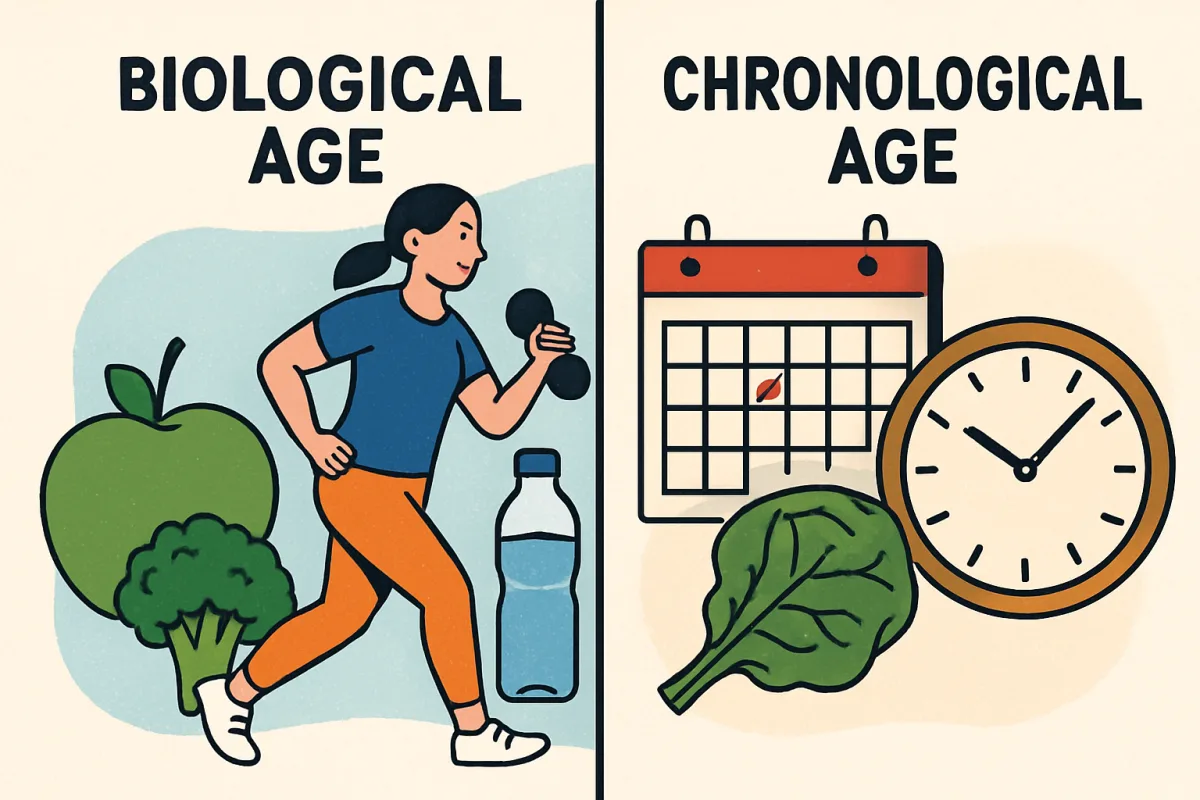
Biological age refers to the physiological state of your body, which can differ significantly from your chronological age, the number of years you've lived. Factors like genetics, lifestyle choices, and environmental influences impact biological age. For instance, a person who exercises regularly, eats a balanced diet, and avoids smoking may have a biological age younger than their chronological age. Conversely, chronic stress, poor diet, and lack of exercise can accelerate biological aging. Understanding this distinction can help individuals make informed health decisions to improve their overall well-being.
Quick Summary
The difference between biological and chronological age is crucial for understanding health and wellness. Biological age reflects your body's health and function, influenced by lifestyle factors, while chronological age is simply the number of years since birth. Many people find their biological age can be younger or older than their chronological age based on habits like diet, exercise, and stress management. Recognizing this can empower individuals to adopt healthier lifestyles, potentially reducing their biological age and enhancing longevity.
Curator Notes
Biological age and chronological age are two distinct concepts that can significantly impact how we perceive health and aging. Chronological age is straightforward; it simply counts the years since a person was born. However, biological age is a more complex measure that reflects the physiological state of an individual's body, which can vary widely among people of the same chronological age.
This distinction is essential for understanding personal health and longevity. The factors influencing biological age include genetics, lifestyle choices, and environmental conditions. For example, individuals who maintain a healthy diet, engage in regular physical activity, and manage stress effectively often exhibit a biological age that is younger than their chronological age.
This phenomenon underscores the importance of lifestyle in determining overall health outcomes. Conversely, negative lifestyle choices such as smoking, excessive alcohol consumption, and a sedentary lifestyle can lead to accelerated biological aging. Research indicates that chronic stress can also have detrimental effects on biological age, potentially leading to earlier onset of age-related diseases.
Thus, understanding the factors that contribute to biological age can empower individuals to make healthier choices. Measuring biological age can be done through various methods, including biological markers like telomere length, blood tests, and assessments of physical fitness. These methods provide insights into how well the body is functioning compared to the average for a given chronological age.
Some individuals may find that their biological age is significantly lower than expected, which can be a motivating factor for maintaining or improving health practices. It's also important to note that while biological age can offer valuable insights, it is not a definitive measure of health. Individual experiences and health conditions can vary widely, and biological age should be considered alongside other health indicators.
For instance, someone may have a biological age that suggests good health but still face challenges due to underlying medical conditions. In summary, the distinction between biological and chronological age is vital for understanding personal health. By focusing on factors that influence biological age, individuals can take proactive steps to enhance their well-being and potentially extend their lifespan.
This knowledge encourages a more holistic view of aging, emphasizing the role of lifestyle in shaping health outcomes over time.
Best Sources
Videos and Community Signals
At Blueprint, we trust data, not opinions. This video teaches you how you can test your biological age with 6 free tests. Disclaimer: ...
Embarking on the Journey of Aging: Unveiling Chronological VS Biological Aging at the Texas Institute for Anti-Aging Research ...
Comparison
| Decision Point | Good Starting Choice | When to Go Further |
|---|---|---|
| Online booking | A simple booking page with service duration, staff assignment and confirmation emails. | Multi-location calendars, deposits, cancellation rules and waitlist handling. |
| Client records | Basic notes, visit history and contact details are enough to start. | Segmentation, purchase history, memberships, forms and before-after notes become more important. |
| Reminders | SMS or email reminders help reduce no-shows without adding admin work. | Automated rebooking, follow-up campaigns and missed-appointment recovery matter more. |
| Payments | Card capture and checkout should be simple and transparent. | Packages, memberships, staff commissions, tips and refunds need cleaner reporting. |
| Marketing | Light email or SMS campaigns are useful if they are easy to run. | Automated win-back, birthday offers, review requests and audience segments create more leverage. |
FAQ
Chronological age is the number of years since birth, while biological age reflects the physiological state of the body and can vary based on lifestyle and health factors.
You can reduce your biological age by adopting a healthy lifestyle, including regular exercise, a balanced diet, stress management, and avoiding harmful habits like smoking.
Biological age can provide insights into health but should be considered alongside other health indicators, as individual experiences can vary.