Best Weight Loss Habits
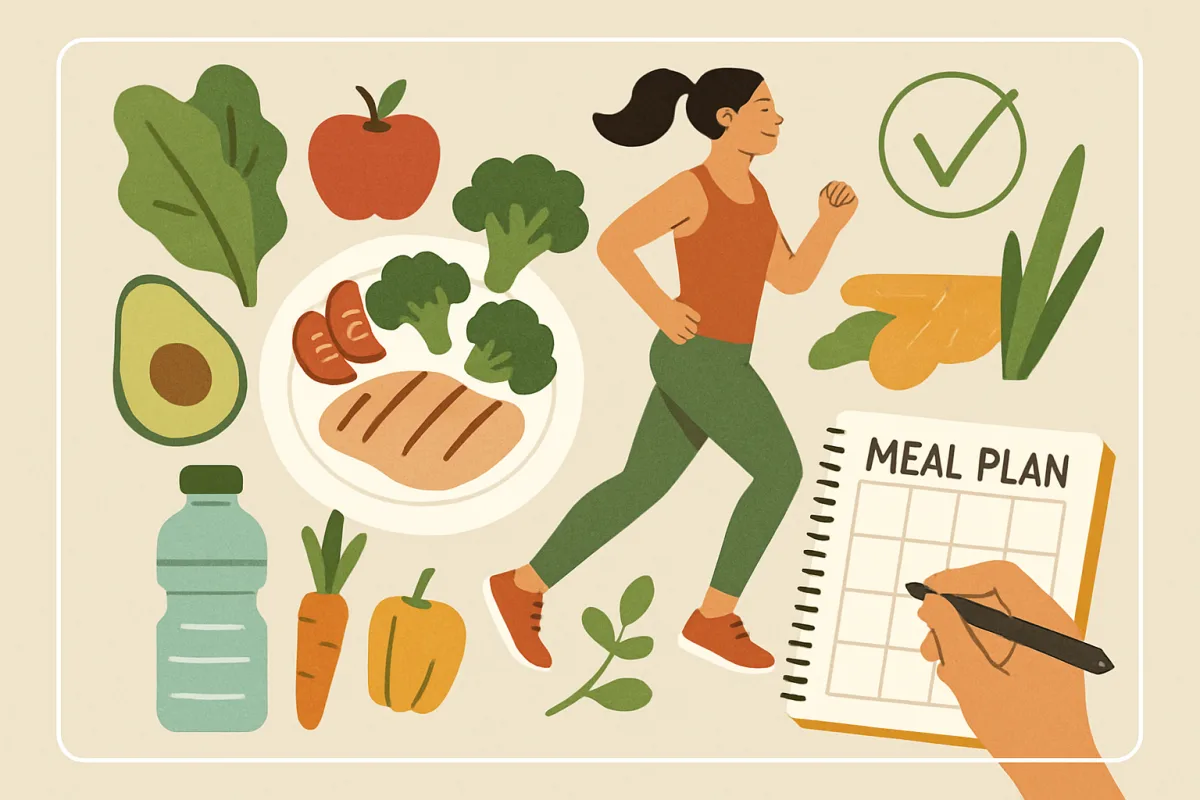
Adopting effective weight loss habits is crucial for achieving and maintaining a healthy weight. Key habits include mindful eating, regular physical activity, and consistent meal planning. Mindful eating encourages awareness of hunger cues and portion sizes, helping to prevent overeating. Incorporating a mix of cardiovascular and strength training exercises enhances metabolism and supports muscle retention. Meal planning not only saves time but also helps in making healthier choices. Staying hydrated and getting adequate sleep are also essential components that support weight loss efforts.
Quick Summary
Effective weight loss habits are essential for sustainable results. Key practices include mindful eating, regular exercise, and meal planning. Mindful eating helps control portions and enhances awareness of hunger signals. Regular physical activity boosts metabolism and aids in fat loss. Meal planning ensures healthier choices and prevents impulsive eating. Additionally, hydration and sleep play significant roles in weight management. By integrating these habits into daily life, individuals can achieve lasting weight loss success.
Curator Notes
Mindful eating is one of the most effective habits for weight loss. It involves paying attention to what you eat, savoring each bite, and recognizing hunger and fullness cues. This practice can help prevent overeating and promote a healthier relationship with food.
Research suggests that individuals who eat mindfully tend to consume fewer calories and enjoy their meals more, leading to better long-term weight management. Regular physical activity is another cornerstone of effective weight loss. A combination of cardiovascular exercises, like running or cycling, and strength training can significantly boost metabolism.
Cardio helps burn calories, while strength training builds muscle, which in turn increases resting metabolic rate. Aim for at least 150 minutes of moderate aerobic activity each week, along with two days of strength training. Meal planning is a practical habit that can streamline healthy eating.
By preparing meals in advance, you can make more nutritious choices and avoid the temptation of fast food or unhealthy snacks. Consider dedicating a few hours each week to plan and prep meals. This not only saves time during busy weekdays but also helps control portion sizes and calorie intake.
Hydration is often overlooked but plays a crucial role in weight loss. Drinking enough water can help control hunger and improve metabolic processes. Sometimes, thirst is mistaken for hunger, leading to unnecessary snacking.
Aim for at least eight 8-ounce glasses of water a day, and consider drinking a glass before meals to help control appetite. Sleep is another vital component of successful weight loss. Lack of sleep can disrupt hormones that regulate hunger, leading to increased cravings and appetite.
Prioritize getting 7-9 hours of quality sleep each night to support your weight loss efforts. Establishing a regular sleep schedule and creating a restful environment can enhance sleep quality. Lastly, consider tracking your progress.
Keeping a food diary or using a mobile app can provide insights into your eating habits and help you stay accountable. Monitoring your weight and measurements can also motivate you to stick to your goals. Remember, the journey to weight loss is a marathon, not a sprint, and consistency is key.
In summary, integrating these habits into your daily routine can lead to effective and sustainable weight loss. Focus on mindful eating, regular exercise, meal planning, hydration, and adequate sleep to create a balanced approach that supports your health and wellness goals.
Best Sources
Videos and Community Signals
There sure are a LOT of weight management tips across the internet, and after my research it appears finding the facts from ...
What is the best strategy for getting fitter, losing weight, living a healthier life? Laurie Coots shares a few life-hacks that worked for ...
Comparison
| Decision Point | Good Starting Choice | When to Go Further |
|---|---|---|
| Online booking | A simple booking page with service duration, staff assignment and confirmation emails. | Multi-location calendars, deposits, cancellation rules and waitlist handling. |
| Client records | Basic notes, visit history and contact details are enough to start. | Segmentation, purchase history, memberships, forms and before-after notes become more important. |
| Reminders | SMS or email reminders help reduce no-shows without adding admin work. | Automated rebooking, follow-up campaigns and missed-appointment recovery matter more. |
| Payments | Card capture and checkout should be simple and transparent. | Packages, memberships, staff commissions, tips and refunds need cleaner reporting. |
| Marketing | Light email or SMS campaigns are useful if they are easy to run. | Automated win-back, birthday offers, review requests and audience segments create more leverage. |
FAQ
The best habits for weight loss include mindful eating, regular physical activity, meal planning, staying hydrated, and getting enough sleep.
Mindful eating helps control portions and enhances awareness of hunger signals, preventing overeating and promoting a healthier relationship with food.
Meal planning ensures healthier choices, saves time, and helps control portion sizes, making it easier to stick to a weight loss plan.
At least 150 minutes of moderate aerobic activity each week, along with two days of strength training, is recommended for effective weight loss.
Adequate sleep helps regulate hormones that control hunger, reducing cravings and appetite, which supports weight loss efforts.