Best Foods for Brain Health
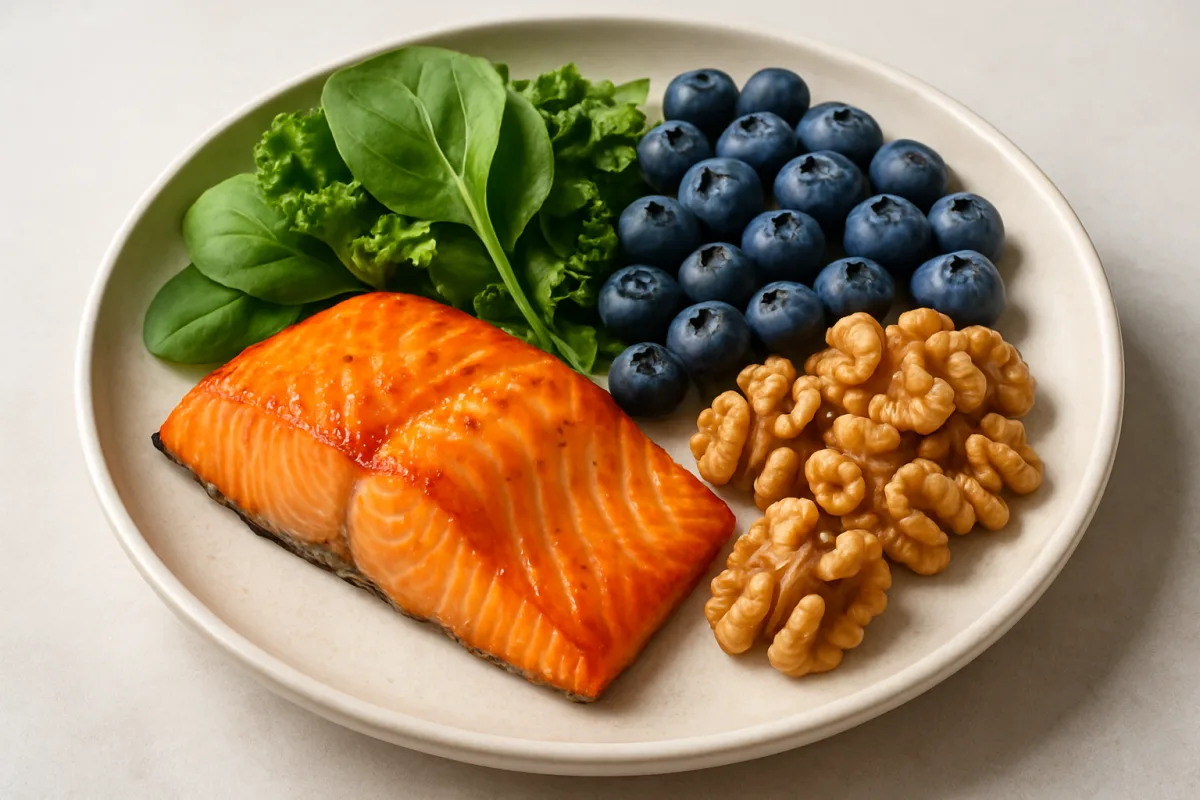
To support brain health, consider foods rich in omega-3 fatty acids, antioxidants, and vitamins. Top choices include fatty fish like salmon, leafy greens such as spinach, berries, nuts like walnuts, and whole grains. These foods are known to improve cognitive function, reduce inflammation, and enhance memory. Incorporating these into your diet can lead to better overall brain health.
Quick Summary
Eating a balanced diet with brain-boosting foods can significantly enhance cognitive function and overall brain health. Key foods include fatty fish, leafy greens, berries, nuts, and whole grains, all of which provide essential nutrients that support brain function.
Curator Notes
Fatty fish, such as salmon and mackerel, are excellent sources of omega-3 fatty acids, which are crucial for brain health. Omega-3s have been linked to improved memory and cognitive function, making them a top choice for anyone looking to enhance their brain health. Regular consumption of these fish can also help reduce the risk of neurodegenerative diseases.
Leafy greens like spinach and kale are packed with vitamins and antioxidants that combat oxidative stress in the brain. These nutrients can help protect against cognitive decline. Berries, particularly blueberries, are rich in antioxidants and have been shown to improve communication between brain cells, which is vital for memory and learning.
Nuts, especially walnuts, are another powerhouse for brain health. They contain high levels of DHA, a type of omega-3 fatty acid, and are also rich in antioxidants. Whole grains, such as oats and brown rice, provide a steady supply of glucose, which is essential for brain function.
Incorporating a variety of these foods into your diet can lead to significant improvements in cognitive health.
Recommended Options
- Salmon: Best for Individuals seeking to improve cognitive function Rich in omega-3 fatty acids, which are essential for brain health. Signal checked: Widely recommended by nutritionists and supported by numerous studies. Alternative to consider: Sardines, which also provide omega-3s and are often more affordable.
- Blueberries: Best for Those looking to enhance memory and cognitive function High in antioxidants that protect the brain from oxidative stress. Signal checked: Research shows they improve communication between brain cells. Alternative to consider: Strawberries, which also offer similar benefits.
- Walnuts: Best for Anyone wanting to support brain health with a snack Contains high levels of DHA and antioxidants. Signal checked: Studies indicate they may improve cognitive performance. Alternative to consider: Almonds, which are also nutritious but lower in DHA.
Best Sources
Videos and Community Signals
View full lesson: http://ed.ted.com/lessons/how-the-food-you-eat-affects-your-brain-mia-nacamulli When it comes to what you bite, ...
Jim Kwik shares the top 10 brain foods that can fuel your cognitive abilities and unlock your limitless brain power. Get ready to ...
Comparison
| Decision Point | Good Starting Choice | When to Go Further |
|---|---|---|
| Omega-3 content | Salmon | Mackerel, which has higher omega-3 levels. |
| Antioxidant levels | Blueberries | Blackberries, which have even higher antioxidant properties. |
| Snackability | Walnuts | Mixed nuts for variety and additional nutrients. |
FAQ
The best foods include fatty fish, leafy greens, berries, nuts, and whole grains, all rich in nutrients that support cognitive function.
Incorporating these foods into your daily diet is ideal, aiming for at least two servings of fatty fish per week and a variety of fruits and vegetables daily.