Best Ecommerce CRM Software
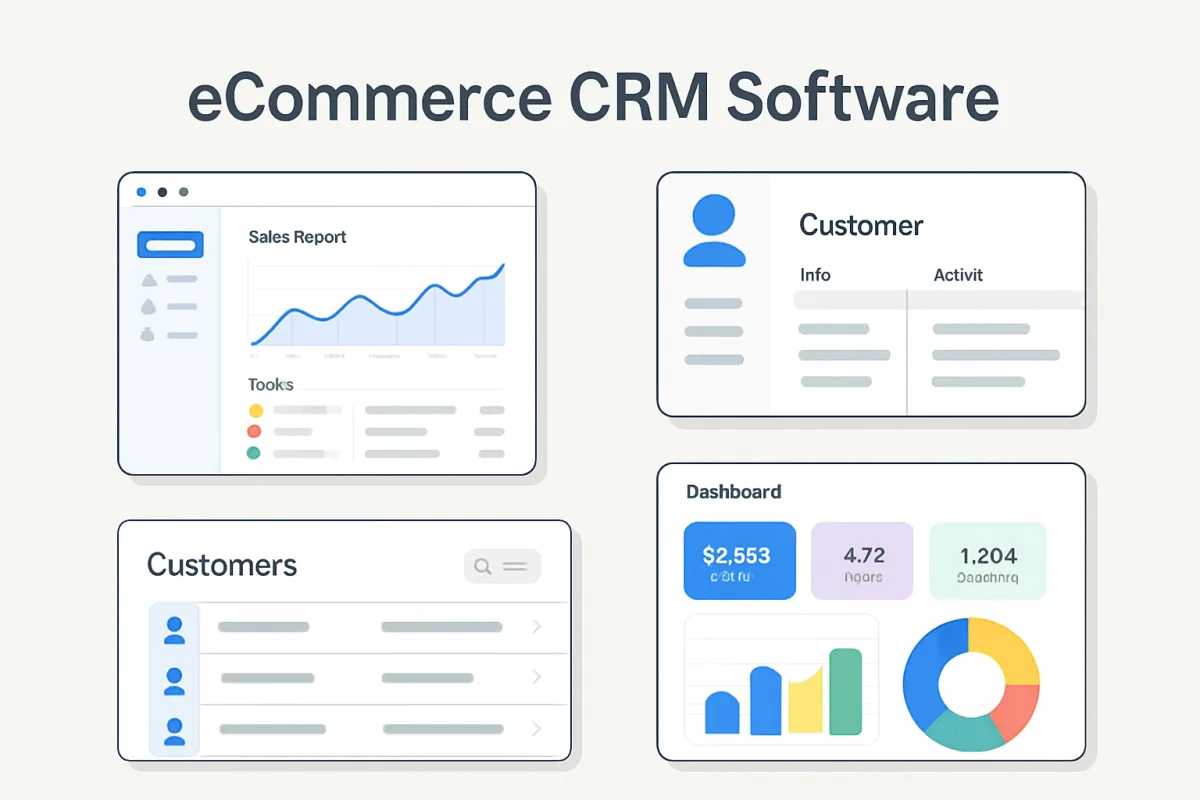
The best eCommerce CRM software options include HubSpot, Salesforce, and Zoho CRM. HubSpot is ideal for small to medium businesses due to its free tier and user-friendly interface. Salesforce excels in customization and scalability, making it suitable for larger enterprises. Zoho CRM offers a cost-effective solution with robust features, perfect for startups and growing companies. Each of these platforms provides unique strengths, so the choice depends on your business size, budget, and specific needs.
Quick Summary
Choosing the right eCommerce CRM software can significantly impact your business's efficiency and customer relationships. HubSpot stands out for its free tier and ease of use, making it great for smaller businesses. Salesforce offers extensive customization and is better suited for larger enterprises needing scalability. Zoho CRM is a budget-friendly option with a comprehensive feature set, ideal for startups. Evaluating these options based on your business size and specific requirements will help you make an informed decision.
Curator Notes
Selecting the right eCommerce CRM software is crucial for managing customer relationships effectively. HubSpot is often recommended for its intuitive interface and free tier, making it accessible for small to medium-sized businesses. Its marketing automation tools are particularly beneficial for those looking to streamline their marketing efforts alongside CRM functionalities.
However, the free version has limitations in features that might require an upgrade as your business grows. Salesforce is a powerhouse in the CRM space, known for its extensive customization options. This makes it a favorite among larger enterprises that require tailored solutions.
Its robust analytics and reporting capabilities can provide deep insights into customer behavior, but the complexity can lead to a steeper learning curve and higher costs. Businesses should weigh the benefits of customization against the potential challenges of implementation and ongoing management. Zoho CRM is another strong contender, especially for startups and small businesses on a budget.
It offers a rich set of features at a lower price point than its competitors. The platform is user-friendly and integrates well with other Zoho products, making it a good choice for businesses already using Zoho's suite. However, some users report that customer support can be inconsistent, which is an important consideration for businesses that may need assistance during setup or troubleshooting.
When evaluating these options, consider your business size, budget, and specific needs. For example, if you prioritize ease of use and cost-effectiveness, HubSpot or Zoho CRM might be the best fit. Conversely, if you need advanced features and scalability, Salesforce could be the better choice.
It's also important to think about integration capabilities with your existing systems. A CRM that seamlessly integrates with your eCommerce platform can save time and reduce friction in managing customer data. Look for solutions that offer API access or pre-built integrations with popular eCommerce platforms like Shopify or WooCommerce.
Lastly, consider the long-term implications of your choice. A CRM is not just a tool for today but should support your growth and evolving needs. Assess the scalability of the software and whether it can adapt as your business expands.
This foresight can save you from the hassle of switching systems in the future, which can be disruptive and costly. In summary, the best eCommerce CRM software will depend on your specific requirements, including budget, size, and desired features. By carefully evaluating your options and considering the unique strengths of each platform, you can make a decision that will enhance your customer relationship management efforts and support your business growth.
Recommended Options
- HubSpot CRM: Best for Small to medium businesses User-friendly interface with a free tier Signal checked: High user satisfaction ratings and extensive marketing tools Alternative to consider: Zoho CRM for budget-conscious startups
- Salesforce: Best for Large enterprises needing customization Extensive customization and robust analytics Signal checked: Industry leader with a wide range of features Alternative to consider: Microsoft Dynamics 365 for integration with Microsoft products
- Zoho CRM: Best for Startups and small businesses Cost-effective with a comprehensive feature set Signal checked: Positive reviews for affordability and ease of use Alternative to consider: HubSpot CRM for marketing automation features
Best Sources
Videos and Community Signals
Explore the top 5 Shopify CRM solutions to supercharge your e-commerce store. Streamline customer relationships and enhance ...
If you observe around you, you'll notice that today, everyone, from a budding artist to a homemaker or an entrepreneur selling raw ...
Comparison
| Decision Point | Good Starting Choice | When to Go Further |
|---|---|---|
| Ease of Use | HubSpot CRM is user-friendly and ideal for beginners. | Salesforce offers advanced features but has a steeper learning curve. |
| Customization | Zoho CRM provides essential customization options. | Salesforce allows extensive customization for complex needs. |
| Cost | HubSpot offers a free tier, making it accessible for small businesses. | Salesforce can be expensive but offers robust features for larger organizations. |
| Integration | Zoho CRM integrates well with other Zoho products. | Salesforce has a wide range of integrations with various platforms. |
FAQ
An eCommerce CRM is a software solution designed to manage customer relationships, sales, and marketing efforts specifically for online businesses.
Consider your business size, budget, required features, and integration capabilities with your existing systems.
Yes, HubSpot CRM offers a free tier that is suitable for small businesses.
Look for features like contact management, sales tracking, marketing automation, and reporting capabilities.