Best Ecommerce Business Ideas
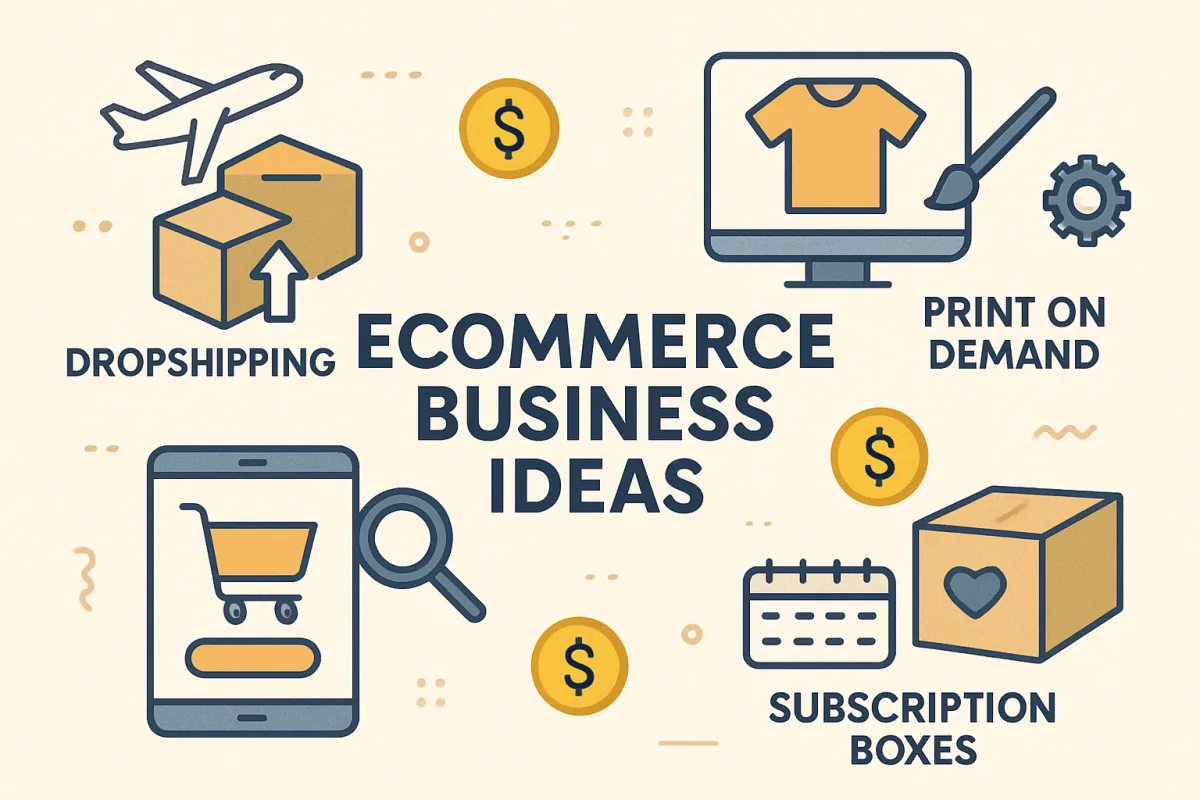
Exploring ecommerce business ideas can lead to lucrative opportunities. Popular options include dropshipping, print on demand, subscription boxes, and digital products. Dropshipping allows you to sell products without holding inventory, making it low-risk and easy to start. Print on demand lets you create custom products, appealing to niche markets. Subscription boxes cater to specific interests, providing recurring revenue. Digital products, like e-books or online courses, have low overhead and high profit margins. Each option has unique advantages and challenges, so consider your interests and market demand before diving in.
Quick Summary
Ecommerce offers diverse business ideas that cater to various interests and market needs. Options like dropshipping, print on demand, subscription boxes, and digital products stand out for their potential profitability and scalability. Dropshipping minimizes risk by eliminating inventory costs, while print on demand allows for creative expression through custom products. Subscription boxes can generate steady income, and digital products boast high margins with low overhead. Evaluating your skills and target audience is crucial in selecting the right ecommerce venture.
Curator Notes
The landscape of ecommerce is rich with opportunities, each catering to different entrepreneurial styles and market demands. Dropshipping is a popular choice for beginners due to its low startup costs. You can sell products without maintaining inventory, which significantly reduces financial risk.
However, managing supplier relationships and ensuring product quality can be challenging, so it's essential to choose reliable partners. Print on demand is another exciting avenue, especially for those with a creative flair. This model allows you to design custom products, from apparel to home decor, which are printed only when ordered.
While it offers flexibility and a unique selling proposition, competition can be fierce, and marketing plays a crucial role in standing out. Subscription boxes have gained traction in recent years, appealing to niche markets. They provide a steady revenue stream and foster customer loyalty.
However, curating products that consistently excite subscribers can be demanding. It's vital to understand your audience's preferences and maintain a fresh offering to keep them engaged. Digital products, such as e-books, courses, or software, present a lucrative opportunity with minimal overhead.
Once created, they can be sold repeatedly without additional costs. The challenge lies in creating high-quality content that meets market needs and effectively marketing it to reach potential customers. When considering these options, evaluate your skills and interests.
For instance, if you enjoy design, print on demand might be the best fit. If you prefer a more hands-off approach, dropshipping could be ideal. Understanding your target audience is crucial for all these models, as it influences product selection and marketing strategies.
Market research is essential to identify trends and gaps in the market. Tools like Google Trends or social media insights can help gauge interest in specific products or niches. Additionally, consider the scalability of your chosen model; some may require more effort to grow than others.
Ultimately, the best ecommerce business idea aligns with your personal strengths and market demand. Each model has its pros and cons, so take the time to assess what resonates with you and where you see the most potential for success.
Recommended Options
- Shopify: Best for Entrepreneurs looking for an all-in-one ecommerce platform. Shopify simplifies the setup process with user-friendly tools and extensive app integrations. Signal checked: Widely used by over a million businesses globally, with high customer satisfaction ratings. Alternative to consider: WooCommerce for those who prefer WordPress integration.
- Printful: Best for Creatives wanting to sell custom products without inventory. Offers a wide range of customizable products and seamless integration with major ecommerce platforms. Signal checked: Highly rated for quality and customer service, with a large user base. Alternative to consider: TeeSpring for a focus on apparel.
- Cratejoy: Best for Entrepreneurs interested in subscription box services. Specializes in subscription box businesses, providing tailored tools and resources. Signal checked: Positive feedback from users for its ease of use and dedicated support. Alternative to consider: Subbly for more customizable options.
Best Sources
Videos and Community Signals
I'm sure your feed has been flooded with make money online videos, you're probably overwhelmed and lost as to where to even ...
Build your e-commerce store with Shopify and get 3 months for just $1/month (exclusive deal for my audience that will expire): ...
Comparison
| Decision Point | Good Starting Choice | When to Go Further |
|---|---|---|
| Startup Cost | Dropshipping (low initial investment) | Digital products (minimal ongoing costs after creation) |
| Inventory Management | Print on demand (no inventory required) | Subscription boxes (requires careful curation and stock management) |
| Marketing Effort | Dropshipping (focus on supplier relationships) | Digital products (requires strong content marketing) |
FAQ
Dropshipping is often considered the easiest due to low startup costs and no need for inventory.
Consider your interests, skills, and market demand. Research trends and assess what aligns with your strengths.