Best AI Tools for Learning Languages
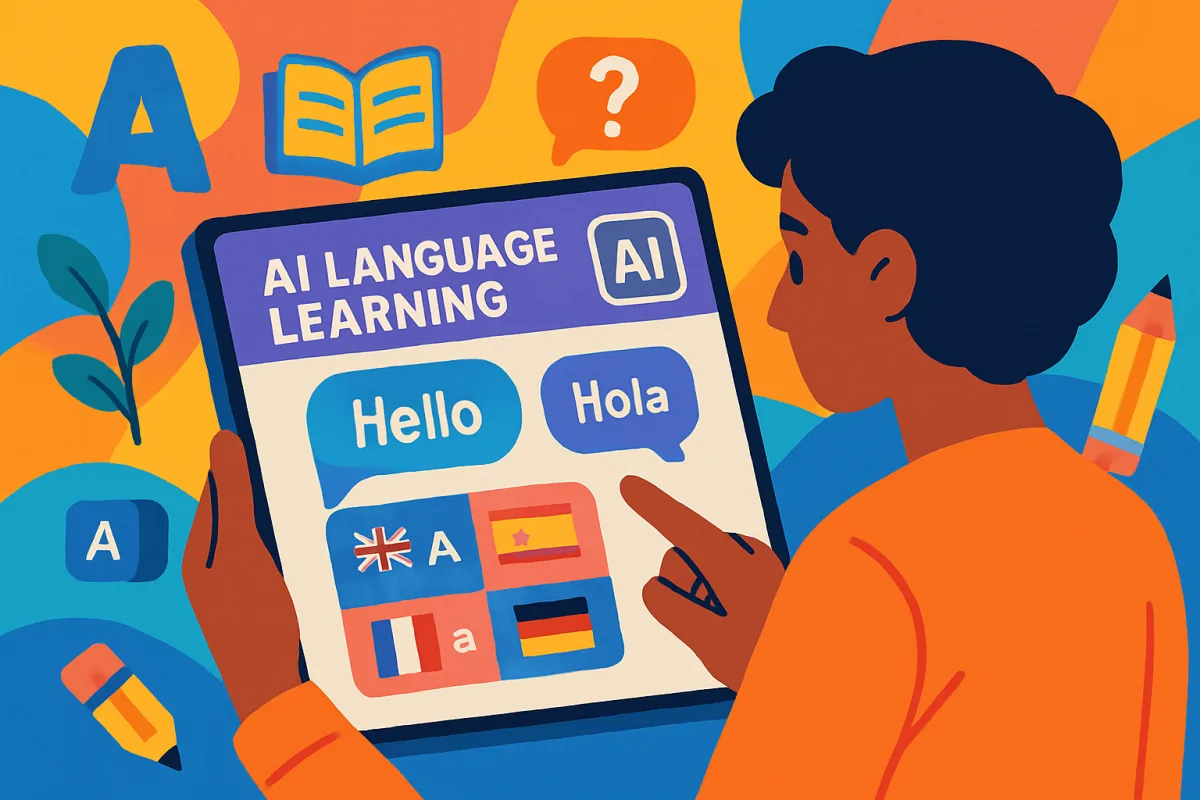
The best AI tools for learning languages include Duolingo, Babbel, and Rosetta Stone. Duolingo is ideal for beginners due to its gamified learning approach, making language acquisition fun and engaging. Babbel offers structured lessons focusing on real-life conversations, making it suitable for those looking to improve practical language skills. Rosetta Stone is renowned for its immersive method, which is great for learners who prefer a more traditional approach. Each tool has its unique strengths, catering to different learning styles and goals.
Quick Summary
Explore the top AI tools for learning languages, including Duolingo, Babbel, and Rosetta Stone. Each tool offers distinct features tailored to various learning preferences, from gamified experiences to immersive methods.
Curator Notes
When it comes to learning languages, AI tools have revolutionized the way we approach language acquisition. Duolingo stands out for its gamified approach, making learning enjoyable and motivating. It offers bite-sized lessons that can fit into any schedule, appealing to casual learners and busy professionals alike.
The app's community features also provide a social aspect, allowing users to engage with others on similar learning journeys. On the other hand, Babbel focuses on practical language skills, offering lessons that emphasize real-life conversations. This makes it particularly beneficial for those who plan to travel or use the language in everyday situations.
Babbel's structured courses are designed by linguistic experts, ensuring that users receive a comprehensive learning experience. Lastly, Rosetta Stone is known for its immersive learning method, which mimics the way we naturally acquire our first language. This approach is ideal for learners who prefer a more traditional style and want to develop a deep understanding of the language.
While it may require a greater time commitment, many users find it rewarding in the long run. Each of these tools has its unique strengths, making them suitable for different learning styles and objectives.
Recommended Options
- Duolingo: Best for Beginners and casual learners Gamified learning experience that makes language acquisition fun. Signal checked: Over 500 million users worldwide, high engagement rates. Alternative to consider: Memrise, which also uses gamification but focuses more on vocabulary.
- Babbel: Best for Practical language skills for travel Structured lessons focusing on real-life conversations. Signal checked: Over 10 million subscribers, praised for its effectiveness. Alternative to consider: Busuu, which offers community feedback on exercises.
- Rosetta Stone: Best for Immersive learning experience Focuses on natural language acquisition through immersion. Signal checked: Long-standing reputation in language learning with millions of users. Alternative to consider: Pimsleur, which emphasizes auditory learning.
Best Sources
Videos and Community Signals
Click here to start working with me today https://thefluencyformula.com/learn?el=learn-a-language-with-chat-gpt5 My most ...
What are the best language learning apps? And which ones should you definitely skip? Let's talk about it... -Best All-Around ...
Comparison
| Decision Point | Good Starting Choice | When to Go Further |
|---|---|---|
| Learning Style | Duolingo: Fun, gamified approach. | Rosetta Stone: Immersive, traditional learning. |
| Content Focus | Babbel: Real-life conversations. | Rosetta Stone: Comprehensive immersion. |
| User Engagement | Duolingo: High engagement through gamification. | Babbel: Structured lessons with expert input. |
FAQ
Duolingo is highly recommended for beginners due to its user-friendly interface and gamified learning.
Yes, all three tools allow users to learn multiple languages simultaneously.
Babbel and Rosetta Stone are particularly effective for developing conversational skills.