Bearded Dragon Care Beginner Guide
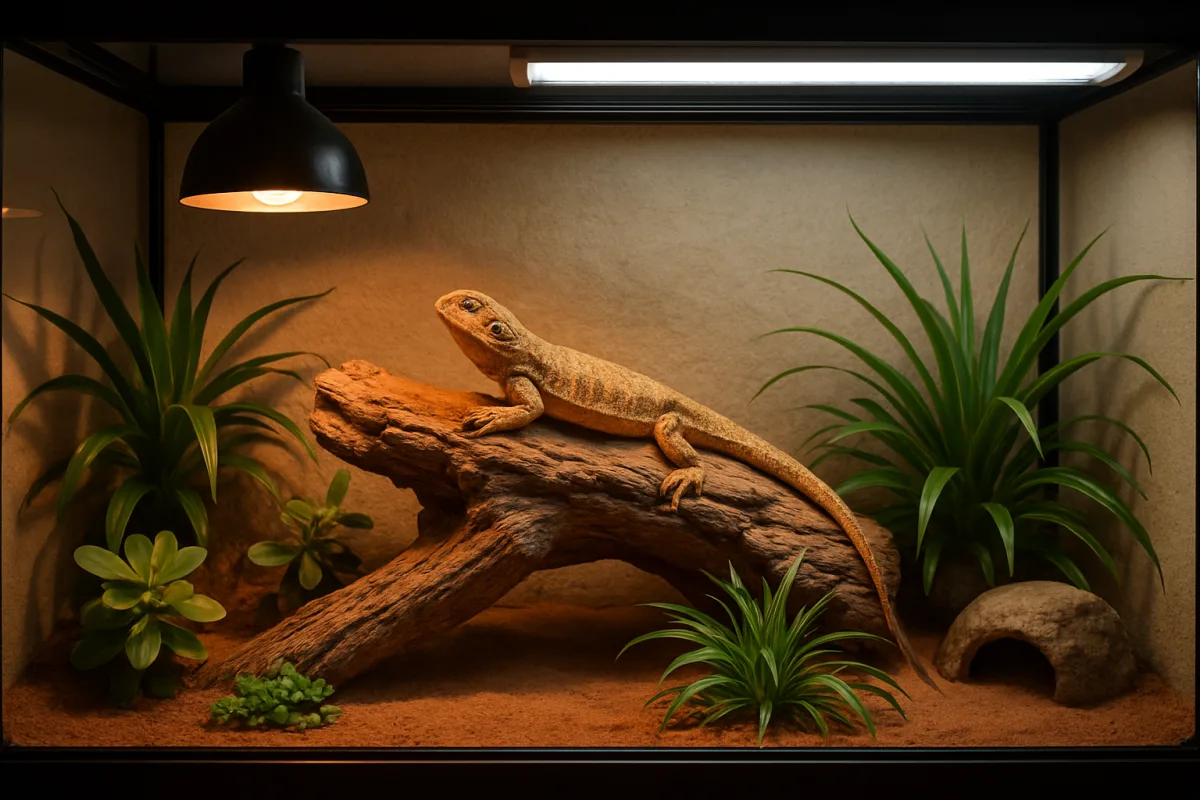
Bearded dragons are popular pets known for their friendly nature and unique care requirements. To ensure a healthy environment, provide a spacious terrarium, appropriate heating, UVB lighting, and a balanced diet of insects and vegetables. Regular handling and socialization are also vital for their well-being. Always consult a vet for specific health concerns.
Quick Summary
This beginner guide covers essential aspects of bearded dragon care, including habitat setup, diet, and health considerations. Understanding these factors will help ensure your pet thrives in a home environment. Regular vet check-ups and proper socialization are also crucial for their happiness.
Curator Notes
Bearded dragons require a carefully controlled environment to thrive. Start with a spacious terrarium, ideally 40 gallons or larger, to allow for movement and exploration. Maintain a temperature gradient, with a basking area around 100°F and a cooler side around 75°F.
UVB lighting is essential for their metabolic health, as it helps them synthesize vitamin D3, crucial for calcium absorption. Diet is another critical aspect of bearded dragon care. They are omnivores, requiring a mix of insects like crickets and mealworms, along with fresh vegetables such as collard greens and bell peppers.
Ensure that food is appropriately sized and avoid high-fat insects to prevent obesity. Hydration is also vital; provide fresh water daily and consider misting the habitat. Regular handling helps socialize your bearded dragon, making them more comfortable around humans.
Monitor their health closely, looking for signs of stress or illness, and consult a veterinarian experienced with reptiles for any health concerns. With proper care, bearded dragons can live up to 10-15 years, making them a long-term commitment.
Recommended Options
- Exo Terra Glass Terrarium: Best for New bearded dragon owners This terrarium provides excellent ventilation and a front-opening door for easy access. Signal checked: Highly rated for its durability and design by reptile enthusiasts. Alternative to consider: Zilla Critter Cage
- Zoo Med ReptiSun UVB Bulb: Best for Ensuring proper UVB exposure Offers optimal UVB output for bearded dragons, promoting healthy bone growth. Signal checked: Recommended by veterinarians and reptile experts. Alternative to consider: Exo Terra Repti Glo
- Fluker's Freeze-Dried Crickets: Best for Convenient feeding Easy to store and serve, providing a nutritious option without live insects. Signal checked: Popular among pet owners for its convenience and nutritional value. Alternative to consider: Repashy Superfoods Bug Burger
Best Sources
Videos and Community Signals
Bearded Dragons are AMAZING Pet reptiles and THIS is how you take care of them! Heat, lighting, enclosure and everything else!
How to take care of a bearded dragon? I answer that and more in my bearded dragon care guide! if you just got a bearded dragon ...
Comparison
| Decision Point | Good Starting Choice | When to Go Further |
|---|---|---|
| Terrarium Size | 40 gallons for a single dragon | Larger for multiple dragons or more complex setups |
| Heating Method | Basking lamp for heat | Ceramic heat emitter for consistent warmth |
| Diet Variety | Insects and leafy greens | Variety of insects and vegetables for balanced nutrition |
FAQ
Feed juvenile bearded dragons daily, while adults can be fed every other day. Adjust portions based on their size and activity level.
Maintain a basking area around 100°F and a cooler side around 75°F to provide a temperature gradient.
Yes, UVB light is essential for their health, helping them metabolize calcium and preventing metabolic bone disease.