Bear Market Stablecoins Guide
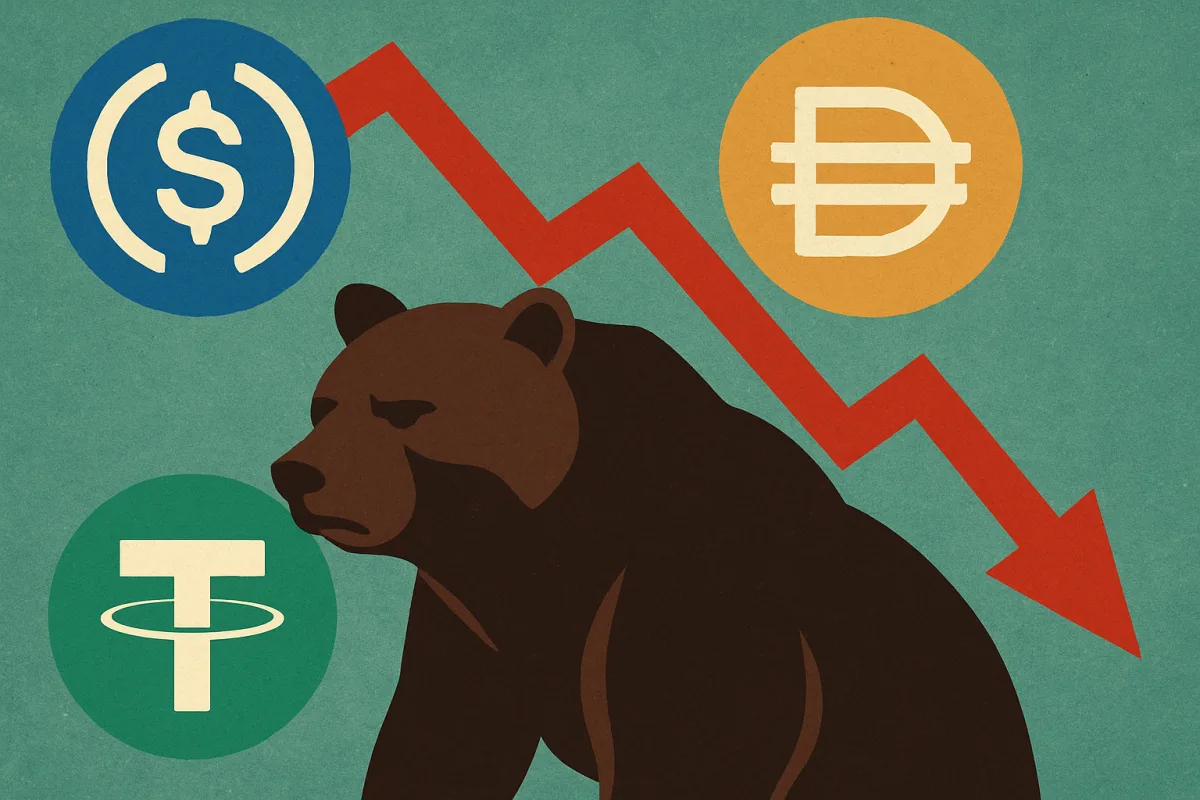
Stablecoins can be a strategic choice during bear markets, providing a way to preserve capital while remaining in the crypto ecosystem. Options like USDC, DAI, and Tether (USDT) stand out for their stability and liquidity. USDC is known for its regulatory compliance and transparency, making it a safer choice for risk-averse investors. DAI, being decentralized, offers more autonomy but may come with higher volatility. Tether, while popular, has faced scrutiny regarding its reserves. Each option has unique strengths and weaknesses, so understanding your risk tolerance and investment goals is crucial.
Quick Summary
Navigating bear markets can be challenging, but stablecoins offer a viable strategy for preserving capital. USDC, DAI, and Tether (USDT) are among the top choices, each with distinct characteristics. USDC is favored for its compliance and transparency, while DAI provides decentralization. Tether remains popular but has faced scrutiny. Understanding these options can help you make informed decisions during market downturns.
Curator Notes
Bear markets can create uncertainty in the crypto space, making stablecoins an attractive option for investors looking to maintain their capital. These digital currencies are pegged to stable assets, typically the US dollar, providing a buffer against volatility. However, not all stablecoins are created equal, and understanding their nuances is essential for making informed decisions.
USDC (USD Coin) is a standout option, known for its regulatory compliance and transparency. Issued by regulated financial institutions, USDC undergoes regular audits, which can provide peace of mind for investors concerned about the stability of their assets. Its liquidity is another advantage, making it easy to trade on various exchanges.
DAI, on the other hand, is a decentralized stablecoin that operates on the Ethereum blockchain. While it offers more autonomy and is less susceptible to regulatory pressures, it can experience higher volatility due to its reliance on collateralized debt positions. This makes DAI a compelling choice for those who prioritize decentralization but may not be ideal for risk-averse investors.
Tether (USDT) is perhaps the most recognized stablecoin, but it has faced scrutiny regarding its reserves and transparency. While it offers high liquidity and is widely accepted across exchanges, potential investors should be cautious and consider the associated risks. The ongoing debates about Tether's backing could pose risks in a bear market.
When selecting a stablecoin, consider your investment goals and risk tolerance. If you prioritize safety and compliance, USDC may be the best fit. For those who value decentralization and are willing to accept some volatility, DAI could be appealing.
Tether might suit those looking for liquidity but comes with caveats. In addition to these options, it's crucial to stay informed about market conditions and regulatory changes that could impact stablecoins. The crypto landscape is rapidly evolving, and what works today may not be suitable tomorrow.
Regularly reviewing your choices and adjusting your strategy can help you navigate bear markets more effectively. Ultimately, stablecoins can serve as a valuable tool in your investment arsenal during bear markets. By understanding the strengths and weaknesses of each option, you can make more informed decisions that align with your financial goals.
Recommended Options
- Circle USD Coin: Best for Investors seeking regulatory compliance and transparency. Regular audits and high liquidity make it a safer choice. Signal checked: Widely accepted on major exchanges and backed by reputable institutions. Alternative to consider: DAI for those preferring decentralization.
- MakerDAO DAI: Best for Users valuing decentralization and autonomy. Operates without central authority, offering more control. Signal checked: Popular in DeFi applications and has a robust community. Alternative to consider: USDC for a more stable, regulated option.
- Tether Ltd. Tether: Best for Traders needing high liquidity and widespread acceptance. Most widely used stablecoin in trading pairs. Signal checked: High trading volume across exchanges. Alternative to consider: USDC for a more transparent option.
Best Sources
Videos and Community Signals
On today's CoinMarketCap episode, learn How to Survive a Crypto Bear Market If you are seeing your assets in the red, this video ...
From accumulation/trading to playing VC on new projects to flipping NFTs to staking, lending and farming---this video has ...
Comparison
| Decision Point | Good Starting Choice | When to Go Further |
|---|---|---|
| Regulatory Compliance | USDC - Offers transparency and regular audits. | DAI - More decentralized but less regulated. |
| Liquidity | Tether - Most widely accepted and traded. | USDC - High liquidity with a focus on compliance. |
| Decentralization | DAI - Fully decentralized and community-driven. | USDC - Less decentralized but offers more security. |
FAQ
A stablecoin is a type of cryptocurrency designed to maintain a stable value by pegging it to a reserve asset, such as the US dollar.
Stablecoins can help preserve capital during market downturns while allowing investors to remain engaged in the crypto ecosystem.
No, stablecoins vary in terms of regulatory compliance, decentralization, and liquidity, which can affect their suitability for different investors.