Ball Python Care for First Timers
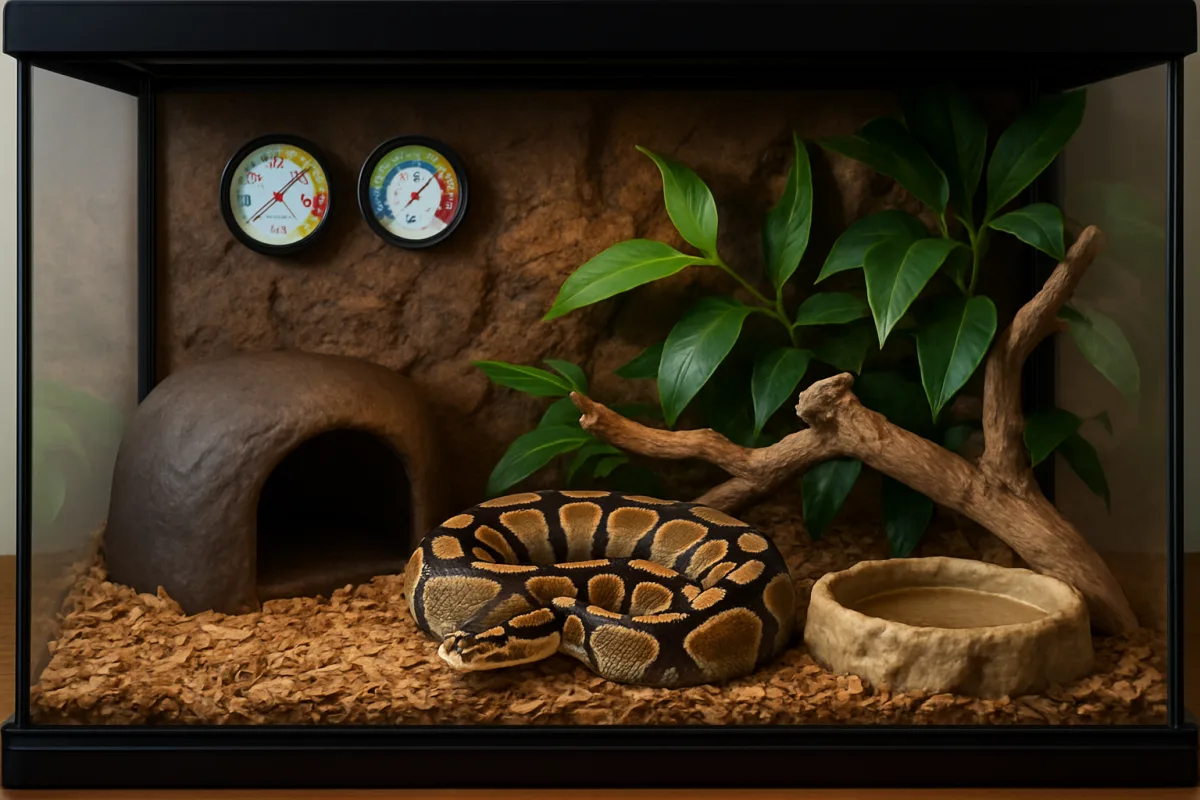
Caring for a ball python involves creating a suitable habitat, providing proper nutrition, and ensuring regular health checks. Start by setting up a secure enclosure with appropriate heating and humidity levels. Feed your ball python a diet primarily consisting of rodents, and monitor their health by observing their behavior and physical condition. Regular handling can help them acclimate to human interaction, making them more comfortable pets.
Quick Summary
Ball python care for first-timers includes setting up a proper habitat, feeding a balanced diet, and conducting regular health checks. Ensure the enclosure has the right temperature and humidity, and provide appropriate prey. Regular handling can help build trust and comfort.
Curator Notes
When setting up a habitat for your ball python, choose an enclosure that is secure and spacious enough for them to move around comfortably. The ideal temperature gradient should range from 75°F on the cool side to 90°F on the warm side, with humidity levels between 50-60%. Use a substrate that is easy to clean and provides some grip for your snake.
Include hiding spots and climbing structures to mimic their natural environment. Feeding your ball python is crucial for their health. They typically eat rodents, with the size of the prey depending on the size of the snake.
Young ball pythons may eat smaller mice, while adults can consume larger rats. It’s essential to feed them appropriately sized prey every 1-2 weeks, depending on their age and size. Monitor their weight and adjust feeding schedules as necessary.
Regular health checks are vital. Look for signs of shedding problems, respiratory issues, or unusual behavior. Handling your snake can help them become accustomed to human interaction, but always do so gently and with respect for their comfort.
Keeping a consistent routine will help your ball python thrive and become a rewarding pet.
Recommended Options
- Exo Terra Glass Terrarium: Best for First-time snake owners needing a secure habitat This terrarium provides excellent ventilation and is easy to clean, making it ideal for ball pythons. Signal checked: Highly rated for its durability and design on pet supply websites. Alternative to consider: Zilla Critter Cage
- Reptile Basics Thermostat: Best for Maintaining proper temperature in the enclosure Reliable and easy to use, ensuring your ball python's habitat stays within the ideal temperature range. Signal checked: Recommended by many reptile care experts. Alternative to consider: Inkbird ITC-306A
- Zoo Med ReptiSun UVB Bulb: Best for Providing necessary UVB lighting Helps with calcium absorption and overall health of your ball python. Signal checked: Positive reviews from reptile enthusiasts and veterinarians. Alternative to consider: Exo Terra Repti Glo
Best Sources
Videos and Community Signals
Ball Python care is easy and fun and THIS is everything YOU need to Know about your new pet snake made EASY with Chewy+!
If you're a new ball python keeper or considering getting a ball python, this video is for you. An updated complete care guide for ...
Comparison
| Decision Point | Good Starting Choice | When to Go Further |
|---|---|---|
| Enclosure Size | 20-gallon tank for hatchlings | 40-gallon tank for adults |
| Heating Method | Under-tank heater | Heat lamp with thermostat for better control |
| Feeding Frequency | Every 7-10 days for young snakes | Every 10-14 days for adults |
FAQ
The habitat should have a temperature gradient of 75°F on the cool side and 90°F on the warm side.
Young ball pythons should be fed every 7-10 days, while adults can be fed every 10-14 days.
Check the temperature and humidity levels in the enclosure, and ensure the prey is appropriately sized.