B2B eCommerce Setup Guide
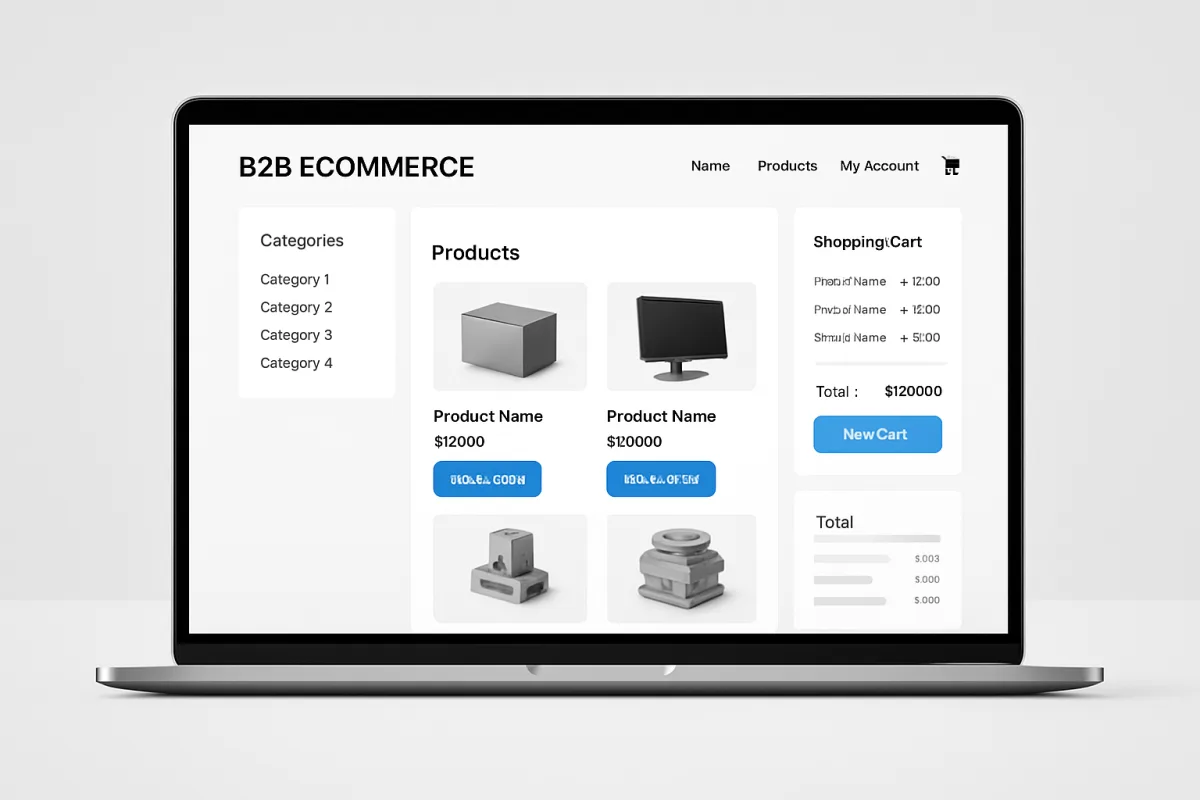
Setting up a B2B eCommerce platform involves several crucial steps, including choosing the right software, defining your target market, and establishing payment and shipping methods. Start by selecting a platform that caters to B2B needs, such as Shopify Plus or Magento. Next, ensure your website is optimized for user experience and SEO. Finally, integrate necessary features like bulk ordering and customer-specific pricing to enhance functionality.
Quick Summary
This guide outlines the essential steps for setting up a B2B eCommerce platform. Key considerations include selecting the right software, understanding your target audience, and implementing effective payment and shipping solutions. By following these steps, businesses can create a robust online presence tailored to B2B transactions.
Curator Notes
Setting up a B2B eCommerce platform requires careful planning and execution. Begin by selecting a suitable eCommerce platform that supports B2B functionalities. Popular options include Shopify Plus, which offers scalability and ease of use, and Magento, known for its customization capabilities.
Each platform has its strengths, so consider your business size and specific needs when making a choice. Next, focus on understanding your target market. This involves researching your customers' buying behaviors and preferences.
Tailor your website's design and content to meet these needs, ensuring a seamless user experience. Additionally, implement features like bulk ordering and customer-specific pricing to cater to B2B clients effectively. Finally, establish reliable payment and shipping methods.
Offering multiple payment options, including credit terms for loyal customers, can enhance customer satisfaction. Ensure that your shipping processes are efficient and transparent, as these are critical factors in B2B transactions. By following these steps, you can successfully launch a B2B eCommerce platform that meets your business goals.
Recommended Options
- Shopify Plus: Best for Businesses seeking an easy-to-use platform with scalability. Shopify Plus provides robust features tailored for B2B, including customizable checkout and advanced analytics. Signal checked: Widely used by large enterprises, with positive reviews for its user-friendly interface. Alternative to consider: BigCommerce for its strong SEO capabilities.
- Magento: Best for Companies needing extensive customization and flexibility. Magento offers powerful tools for large-scale B2B operations, including complex pricing structures. Signal checked: Preferred by many large retailers for its adaptability and extensive feature set. Alternative to consider: WooCommerce for smaller businesses looking for a cost-effective solution.
Best Sources
Videos and Community Signals
Selling online isn't just for business-to-consumer (B2C) companies. Business-to-business (B2B) companies can grow with a ...
How to set up a B2B online store can be a challenging question if you are not aware of the right steps needed to build the best ...
Comparison
| Decision Point | Good Starting Choice | When to Go Further |
|---|---|---|
| Platform Scalability | Shopify Plus for straightforward scalability. | Magento for complex, large-scale operations. |
| Customization | Shopify Plus for basic customization options. | Magento for extensive customization capabilities. |
| User Experience | Shopify Plus for an intuitive interface. | Magento for a tailored user experience based on specific business needs. |
FAQ
Shopify Plus and Magento are two of the best platforms for B2B eCommerce, each catering to different business needs.
Focus on user experience, SEO, and integrating features like bulk ordering and customer-specific pricing.