AWD vs Winter Tires Explained
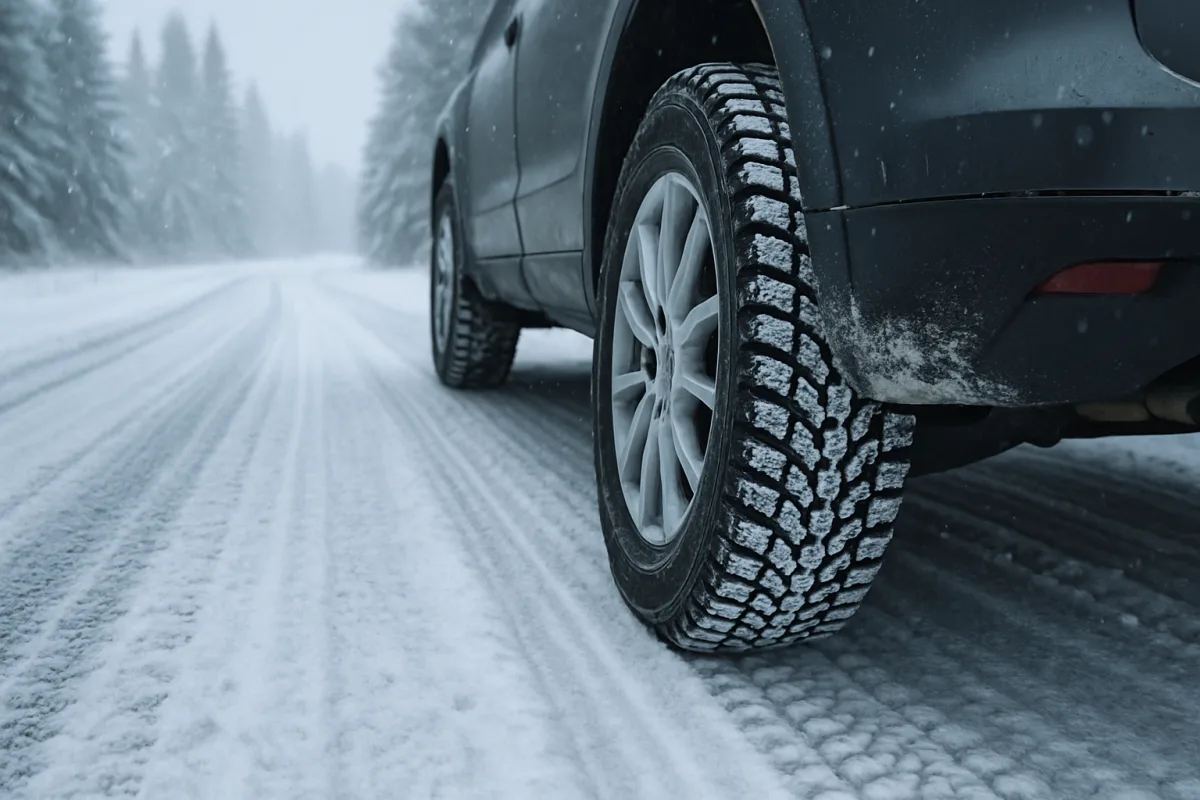
All-Wheel Drive (AWD) and winter tires serve different purposes in enhancing vehicle performance in winter conditions. AWD provides power to all four wheels, improving traction on slippery surfaces, while winter tires are specifically designed with tread patterns and rubber compounds that remain flexible in cold temperatures. For optimal winter driving, combining both AWD and winter tires is recommended, as they complement each other to enhance safety and control.
Quick Summary
AWD and winter tires are both crucial for winter driving, but they serve distinct functions. AWD enhances traction by distributing power to all wheels, while winter tires offer specialized tread and rubber for cold weather. For the best performance, using both together is advisable.
Curator Notes
All-Wheel Drive (AWD) systems automatically distribute power to all four wheels, providing enhanced traction on slippery surfaces such as snow and ice. This feature is beneficial for drivers who frequently navigate through challenging winter conditions, as it helps maintain control and stability. However, AWD does not eliminate the need for winter tires, as it primarily addresses traction rather than the specific challenges posed by cold weather driving.
Winter tires, on the other hand, are engineered with unique tread designs and rubber compounds that remain pliable in low temperatures. This flexibility allows for better grip on icy and snowy roads. The tread patterns are designed to channel snow and slush away from the tire, reducing the risk of hydroplaning.
While AWD can help a vehicle start moving and maintain speed, winter tires are essential for stopping and cornering safely in winter conditions. Therefore, for optimal performance and safety, using both AWD and winter tires is the best approach.
Recommended Options
- Bridgestone Blizzak WS90: Best for Drivers in extreme winter conditions seeking maximum grip. Known for its superior ice and snow traction due to advanced tread technology. Signal checked: Highly rated by users and experts for performance in harsh winter environments. Alternative to consider: Michelin X-Ice Xi3
- Subaru Outback: Best for Families needing a reliable AWD vehicle for winter travel. Comes standard with AWD and has a reputation for safety and reliability. Signal checked: Consistently high safety ratings and positive user reviews. Alternative to consider: Audi Q5
Best Sources
Videos and Community Signals
Equipping Your New Car or SUV For The Winter In this video, we take a look at how AWD and winter tires help your new ...
Subscribe to our German channel: @carwowDeutschland It's time to find out just how essential winter tyres are! We've got Mat ...
Comparison
| Decision Point | Good Starting Choice | When to Go Further |
|---|---|---|
| Traction on Snow/Ice | AWD vehicles provide better traction than 2WD. | Winter tires significantly enhance traction beyond AWD alone. |
| Stopping Power | AWD helps with acceleration and stability. | Winter tires improve stopping distances on icy roads. |
| Cost | AWD vehicles may have a higher initial cost. | Winter tires require seasonal investment but enhance safety. |
FAQ
Yes, winter tires are essential for optimal performance in cold conditions, as they provide better grip and stopping power than AWD alone.
All-season tires may perform adequately in mild winter conditions but are not designed for extreme cold or heavy snow, making winter tires a safer choice.