Avoid Crypto Phishing Scams
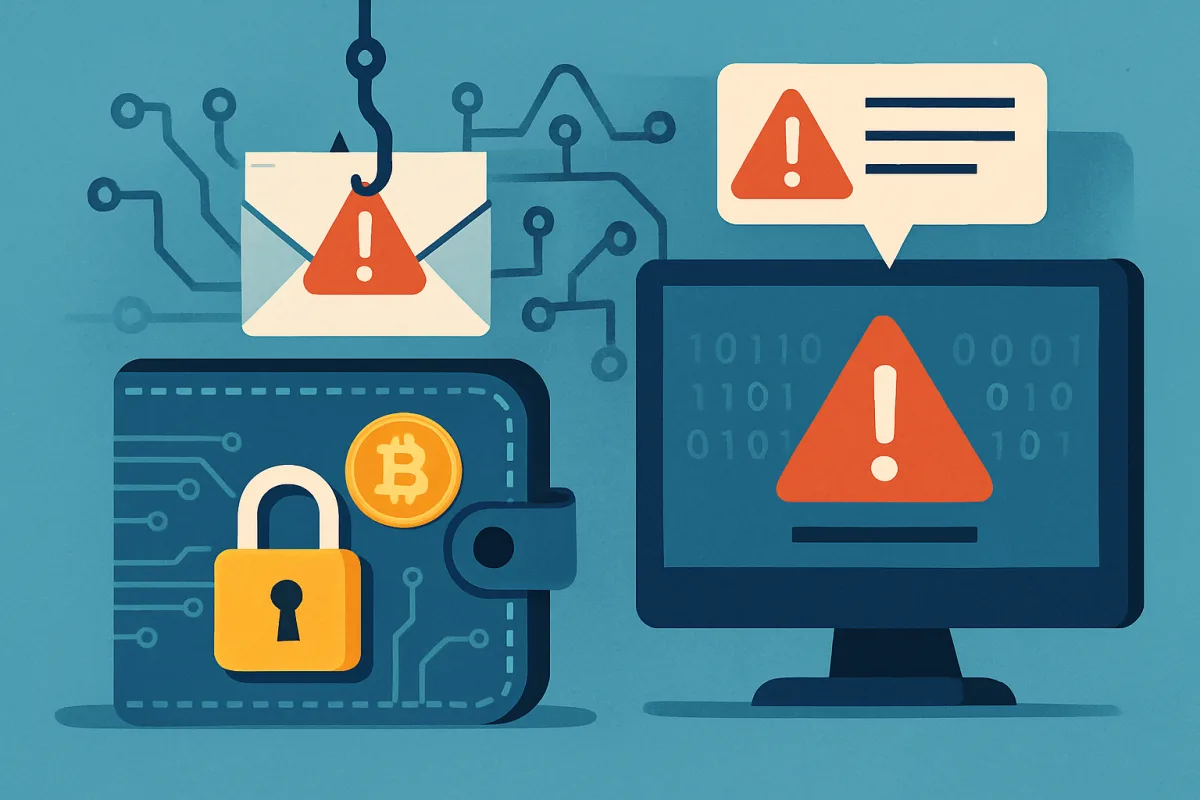
Crypto phishing scams are deceptive tactics used by cybercriminals to steal sensitive information, such as private keys or login credentials, from unsuspecting users. These scams often involve fake websites, emails, or social media messages that appear legitimate. To avoid falling victim, always verify URLs, enable two-factor authentication, and be cautious of unsolicited communications. Staying informed about the latest phishing techniques can also help protect your assets in the volatile crypto landscape.
Quick Summary
Phishing scams in the crypto space are increasingly sophisticated, targeting users through fake websites and deceptive communications. To safeguard your digital assets, it's crucial to recognize these threats and adopt proactive measures. Always check URLs for authenticity, enable two-factor authentication, and remain skeptical of unsolicited messages. Understanding common phishing tactics can significantly reduce your risk of falling victim to these scams, ensuring your crypto investments remain secure.
Curator Notes
Phishing scams in the cryptocurrency world exploit the trust of users by masquerading as legitimate entities. These scams can take various forms, including fake websites, emails, and social media messages. Cybercriminals often create websites that closely resemble those of popular exchanges or wallets, tricking users into entering their sensitive information.
It's essential to scrutinize URLs and ensure they are legitimate before entering any personal data. Two-factor authentication (2FA) is a critical layer of security that can help protect your accounts from unauthorized access. By requiring a second form of verification, such as a text message or authentication app, 2FA can significantly reduce the chances of a successful phishing attack.
Always enable this feature wherever possible, especially on platforms that handle your cryptocurrency. Education is a powerful tool in combating phishing scams. Familiarize yourself with common tactics used by scammers, such as urgent messages that create a sense of panic or excitement.
For instance, you might receive an email claiming that your account will be suspended unless you verify your information immediately. Recognizing these red flags can help you avoid falling into traps set by cybercriminals. Another effective strategy is to use a password manager, which can help you create and store complex passwords securely.
Many password managers also alert you to potential phishing sites by checking URLs against known databases of fraudulent websites. This added layer of protection can be invaluable in the fast-paced world of cryptocurrency. Regularly updating your software and devices is also crucial.
Cybercriminals often exploit vulnerabilities in outdated software to execute their attacks. By keeping your operating system, applications, and antivirus software up to date, you can minimize the risk of falling victim to phishing scams. Lastly, consider joining online communities focused on cryptocurrency security.
These forums can provide valuable insights into the latest threats and scams, as well as tips from experienced users on how to stay safe. Engaging with others in the crypto space can enhance your awareness and preparedness against phishing attempts. In summary, staying vigilant and informed is key to avoiding crypto phishing scams.
By implementing strong security measures, educating yourself about common tactics, and engaging with the community, you can significantly reduce your risk and protect your digital assets.
Best Sources
Videos and Community Signals
We are EXPOSING these crypto scams! These are 3 of the most common scams and this video will help you avoid them EDIT: I'm ...
Tangem is the best hardware wallet for beginners. Get it here for 10% OFF: https://cyberscrilla.short.gy/tTDNrb My review: ...
Comparison
| Decision Point | Good Starting Choice | When to Go Further |
|---|---|---|
| Online booking | A simple booking page with service duration, staff assignment and confirmation emails. | Multi-location calendars, deposits, cancellation rules and waitlist handling. |
| Client records | Basic notes, visit history and contact details are enough to start. | Segmentation, purchase history, memberships, forms and before-after notes become more important. |
| Reminders | SMS or email reminders help reduce no-shows without adding admin work. | Automated rebooking, follow-up campaigns and missed-appointment recovery matter more. |
| Payments | Card capture and checkout should be simple and transparent. | Packages, memberships, staff commissions, tips and refunds need cleaner reporting. |
| Marketing | Light email or SMS campaigns are useful if they are easy to run. | Automated win-back, birthday offers, review requests and audience segments create more leverage. |
FAQ
Common signs include unsolicited messages, misspelled URLs, and requests for sensitive information. Always verify the source before responding.
If you suspect you've been a victim, immediately change your passwords, enable 2FA, and contact your service provider. Monitor your accounts for unusual activity.
Using public Wi-Fi can be risky. Avoid conducting sensitive transactions on public networks, as they can be easily compromised.