Anti-Inflammatory Diet Guide
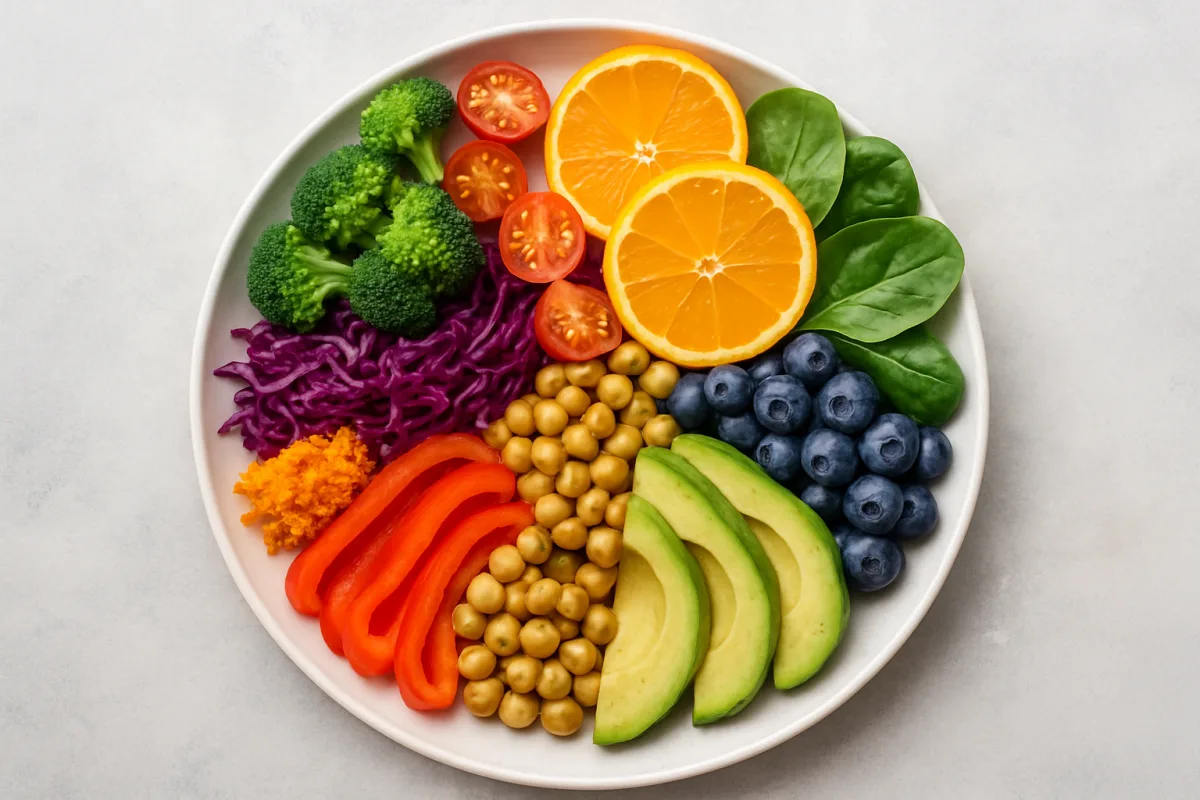
An anti-inflammatory diet focuses on foods that reduce inflammation in the body, which can help manage chronic diseases and improve overall health. Key components include fruits, vegetables, whole grains, lean proteins, and healthy fats, particularly omega-3 fatty acids found in fish and flaxseeds. Avoiding processed foods, sugars, and trans fats is also crucial. This dietary approach not only aids in reducing inflammation but can also enhance energy levels and promote better mental clarity. Consulting with a healthcare provider before making significant dietary changes is advisable.
Quick Summary
The anti-inflammatory diet emphasizes whole foods that can help reduce inflammation and improve health. Key foods include fruits, vegetables, whole grains, and healthy fats, while processed foods and sugars should be avoided. This diet is beneficial for managing chronic conditions and enhancing overall wellness. It's important to tailor the diet to individual needs and consult with healthcare professionals for personalized advice.
Curator Notes
An anti-inflammatory diet is designed to combat chronic inflammation, which is linked to various health issues, including heart disease, arthritis, and even some cancers. The focus is on incorporating nutrient-dense foods that provide antioxidants and other beneficial compounds. Fruits like berries, oranges, and apples are excellent choices due to their high vitamin C and fiber content.
Leafy greens such as spinach and kale are also recommended for their anti-inflammatory properties. Whole grains like quinoa, brown rice, and oats are preferred over refined grains. They offer more fiber and nutrients, which can help regulate blood sugar levels and reduce inflammation.
Lean proteins, particularly fish rich in omega-3 fatty acids like salmon and sardines, are vital as they have been shown to lower inflammatory markers in the body. Healthy fats, particularly those found in olive oil, avocados, and nuts, are essential components of this diet. These fats can help reduce inflammation and provide a source of energy.
It’s advisable to limit saturated fats and avoid trans fats, which can exacerbate inflammation. Processed foods, sugary snacks, and beverages should be minimized or eliminated, as they can trigger inflammatory responses. Instead, opting for whole, unprocessed foods is key.
Spices like turmeric and ginger are also beneficial due to their anti-inflammatory effects and can be easily incorporated into meals. Hydration plays a significant role in managing inflammation. Drinking plenty of water and herbal teas can support overall health and help flush out toxins from the body.
Additionally, maintaining a balanced diet with regular meals can help stabilize energy levels and improve metabolic health. It's important to remember that individual responses to foods can vary. Some people may find that certain foods trigger inflammation for them, so keeping a food diary can be helpful in identifying these triggers.
Consulting with a healthcare provider or a registered dietitian can provide personalized guidance and ensure that the diet meets individual health needs. In summary, an anti-inflammatory diet is not just about avoiding certain foods but also about embracing a lifestyle that promotes overall health and well-being. By focusing on whole foods and maintaining a balanced approach, individuals can significantly impact their health and reduce the risk of chronic diseases.
Recommended Options
- Mediterranean Diet: Best for Individuals seeking a balanced approach to healthy eating Rich in fruits, vegetables, whole grains, and healthy fats, this diet is well-researched for its anti-inflammatory benefits. Signal checked: Widely endorsed by health professionals and supported by numerous studies on heart health and inflammation. Alternative to consider: DASH Diet
- Whole30: Best for Those looking for a structured reset of their eating habits Eliminates sugar, grains, dairy, and legumes for 30 days to identify food sensitivities and promote whole food consumption. Signal checked: Popular among individuals seeking to reduce inflammation and improve digestive health. Alternative to consider: Paleo Diet
Best Sources
Videos and Community Signals
Discover the #1 Most Anti-Inflammatory Food in the World—just one tablespoon of this incredible superfood can reduce joint ...
These are the anti-inflammatory foods I eat every week to reduce inflammation in my body. An anti-inflammatory diet can help with ...
Comparison
| Decision Point | Good Starting Choice | When to Go Further |
|---|---|---|
| Diet Structure | Mediterranean Diet - flexible and sustainable | Whole30 - strict elimination for 30 days |
| Focus on Processed Foods | Mediterranean Diet - moderate consumption allowed | Whole30 - complete avoidance during the program |
FAQ
Avoid processed foods, sugary snacks, trans fats, and excessive alcohol, as these can trigger inflammation.
Yes, many people find that eating whole, nutrient-dense foods helps with weight management while reducing inflammation.