Altcoin Season: What It Means
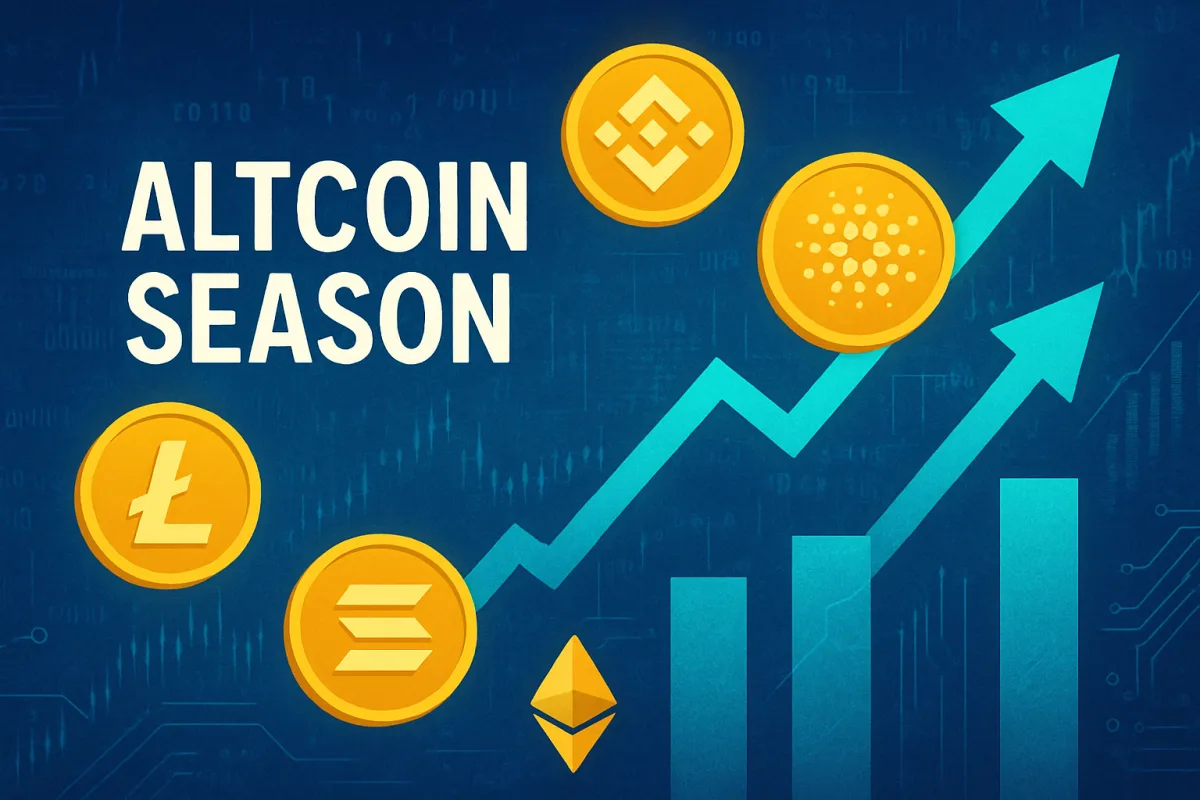
Altcoin season refers to a period in cryptocurrency markets when altcoins—cryptocurrencies other than Bitcoin—experience significant price increases. This phase often follows a Bitcoin rally, as investors seek higher returns in smaller, less established coins. The phenomenon is driven by market sentiment, trading volume, and the overall health of the crypto ecosystem. During altcoin seasons, investors often diversify their portfolios, moving funds from Bitcoin to altcoins to capitalize on potential gains. However, it's essential to approach altcoin investments with caution due to their inherent volatility and risk.
Quick Summary
Understanding altcoin season is crucial for crypto investors looking to maximize their returns. This period typically occurs after a Bitcoin price surge, prompting investors to explore altcoins for potentially higher gains. Factors such as market sentiment, trading volume, and investor behavior play significant roles in this phenomenon. While altcoins can offer lucrative opportunities, they also come with increased risks. Investors should be aware of the market dynamics and conduct thorough research before reallocating their assets into altcoins during these seasons.
Curator Notes
Altcoin season is a term that captures the excitement and volatility in the cryptocurrency market when altcoins begin to outperform Bitcoin. This phase often follows a significant price increase in Bitcoin, which tends to attract more investors into the crypto space. As Bitcoin's price rises, many investors look for alternative opportunities, leading to increased interest in altcoins.
This shift can create a cycle where altcoins experience rapid price appreciation, further fueling investor enthusiasm. Market sentiment plays a critical role during altcoin seasons. Positive news, technological advancements, or partnerships related to specific altcoins can drive interest and investment.
Additionally, social media and online communities often amplify these trends, creating a buzz around certain altcoins. Investors should be cautious, however, as market sentiment can shift quickly, leading to abrupt price corrections. Trading volume is another important factor to consider.
During altcoin seasons, trading volumes for specific altcoins often surge, indicating heightened interest. This can lead to increased liquidity, making it easier for investors to buy and sell without significant price impacts. However, lower liquidity in smaller altcoins can also pose risks, as large trades can lead to significant price swings.
Investors should also be aware of the inherent risks associated with altcoins. Many altcoins lack the same level of market maturity and stability as Bitcoin. Consequently, they can be more susceptible to market manipulation, regulatory changes, and technological failures.
Diversifying investments across multiple altcoins can mitigate some risks, but it also requires diligent research and monitoring. Timing is crucial during altcoin seasons. Investors often look for entry points based on technical analysis, market trends, and news developments.
However, the volatile nature of altcoins means that prices can fluctuate dramatically within short time frames. Setting clear investment goals and exit strategies can help manage risk and maximize potential returns. In summary, while altcoin seasons present exciting opportunities for investors, they also come with significant risks.
Understanding market dynamics, conducting thorough research, and being aware of the potential for rapid price changes are essential for navigating this phase successfully. Investors should approach altcoin investments with a balanced perspective, weighing both the potential rewards and the risks involved.
Best Sources
Videos and Community Signals
Billionaire investor Raoul Pal reveals his prediction for the exact date of 'altcoin season' coming to crypto in 2026. This is based ...
The recent crypto rally has some investors and traders wondering: is an altcoin season still possible? After all, it looks like ...
Comparison
| Decision Point | Good Starting Choice | When to Go Further |
|---|---|---|
| Online booking | A simple booking page with service duration, staff assignment and confirmation emails. | Multi-location calendars, deposits, cancellation rules and waitlist handling. |
| Client records | Basic notes, visit history and contact details are enough to start. | Segmentation, purchase history, memberships, forms and before-after notes become more important. |
| Reminders | SMS or email reminders help reduce no-shows without adding admin work. | Automated rebooking, follow-up campaigns and missed-appointment recovery matter more. |
| Payments | Card capture and checkout should be simple and transparent. | Packages, memberships, staff commissions, tips and refunds need cleaner reporting. |
| Marketing | Light email or SMS campaigns are useful if they are easy to run. | Automated win-back, birthday offers, review requests and audience segments create more leverage. |
FAQ
An altcoin season is typically triggered by a significant price increase in Bitcoin, which leads investors to seek higher returns in altcoins. Factors like market sentiment, news, and trading volume also play crucial roles.
Altcoins can offer high returns but come with increased risks compared to Bitcoin. Their volatility, market manipulation potential, and lack of regulation make them less stable investments.
Indicators of an altcoin season include rising altcoin prices, increased trading volumes, and a shift in investor focus from Bitcoin to smaller cryptocurrencies.