Air Quality and Health Connection
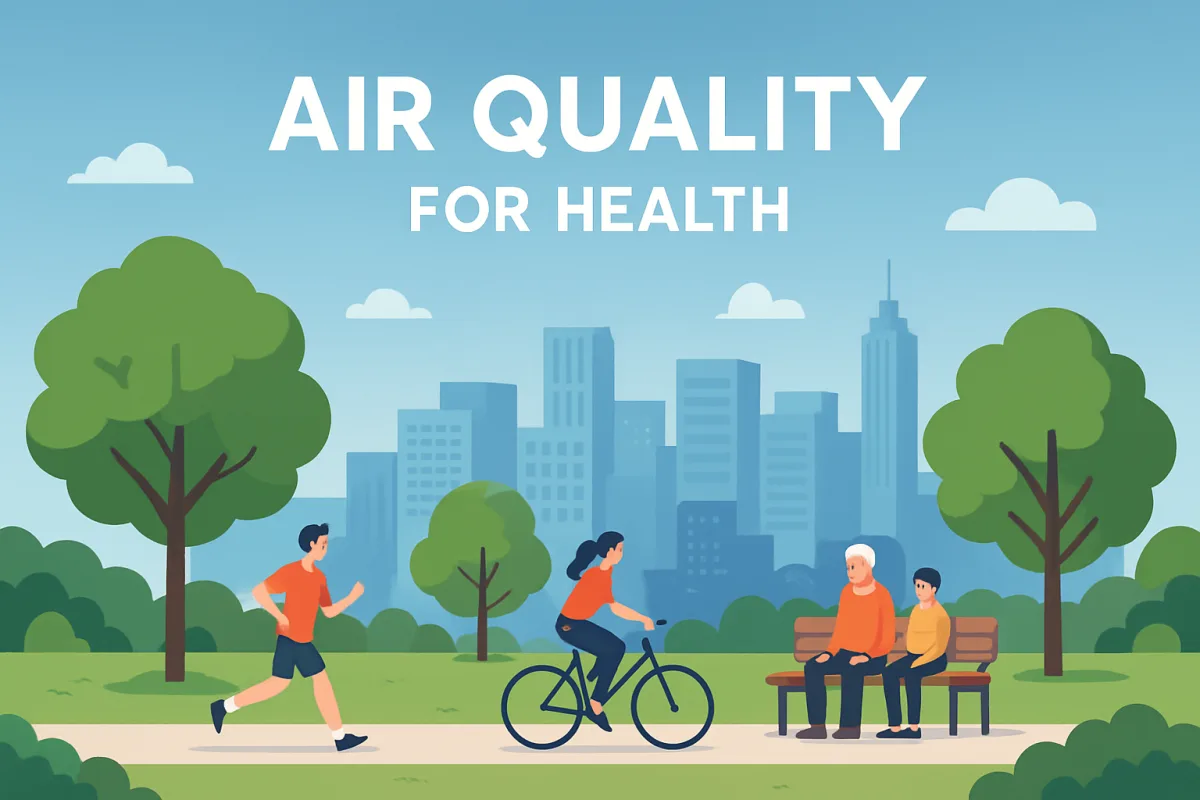
Air quality significantly impacts health, with poor air quality linked to respiratory diseases, cardiovascular issues, and even cognitive decline. Pollutants like particulate matter (PM), nitrogen dioxide (NO2), and sulfur dioxide (SO2) can exacerbate existing health conditions and lead to new ones. Understanding this connection is crucial for public health initiatives and personal health management.
Quick Summary
The connection between air quality and health is profound, affecting respiratory and cardiovascular health. Pollutants can lead to serious health issues, making it essential to understand these impacts for better health outcomes.
Curator Notes
Air quality is a critical determinant of health, influencing both short-term and long-term health outcomes. Poor air quality, characterized by high levels of pollutants such as particulate matter (PM), nitrogen dioxide (NO2), and sulfur dioxide (SO2), is associated with a range of health problems. Studies have shown that exposure to these pollutants can lead to respiratory diseases, cardiovascular issues, and even cognitive decline.
Vulnerable populations, including children, the elderly, and those with pre-existing health conditions, are particularly at risk. Moreover, the effects of air pollution are not limited to physical health. Mental health can also be impacted, with research indicating a correlation between high pollution levels and increased rates of anxiety and depression.
Public health initiatives aimed at improving air quality can lead to significant health benefits, reducing healthcare costs and improving quality of life. Understanding the air quality and health connection is essential for individuals and policymakers alike, as it informs decisions about environmental regulations and personal health practices.
Best Sources
Videos and Community Signals
Dr. Neil Nedley explains the surprising connection between air quality and emotional health. Find out how clean air can boost ...
We discuss the importance of health and wellness in new homes, especially in the wake of the pandemic. The speakers highlight ...
Comparison
| Decision Point | Good Starting Choice | When to Go Further |
|---|---|---|
| Online booking | A simple booking page with service duration, staff assignment and confirmation emails. | Multi-location calendars, deposits, cancellation rules and waitlist handling. |
| Client records | Basic notes, visit history and contact details are enough to start. | Segmentation, purchase history, memberships, forms and before-after notes become more important. |
| Reminders | SMS or email reminders help reduce no-shows without adding admin work. | Automated rebooking, follow-up campaigns and missed-appointment recovery matter more. |
| Payments | Card capture and checkout should be simple and transparent. | Packages, memberships, staff commissions, tips and refunds need cleaner reporting. |
| Marketing | Light email or SMS campaigns are useful if they are easy to run. | Automated win-back, birthday offers, review requests and audience segments create more leverage. |
FAQ
Poor air quality can lead to respiratory diseases such as asthma and chronic obstructive pulmonary disease (COPD) due to the inhalation of harmful pollutants.
Long-term exposure to air pollution is linked to cardiovascular diseases, reduced lung function, and increased mortality rates.
Individuals can reduce air pollution by using public transportation, minimizing energy consumption, and supporting clean air initiatives.