Air Purifiers Pet Allergies
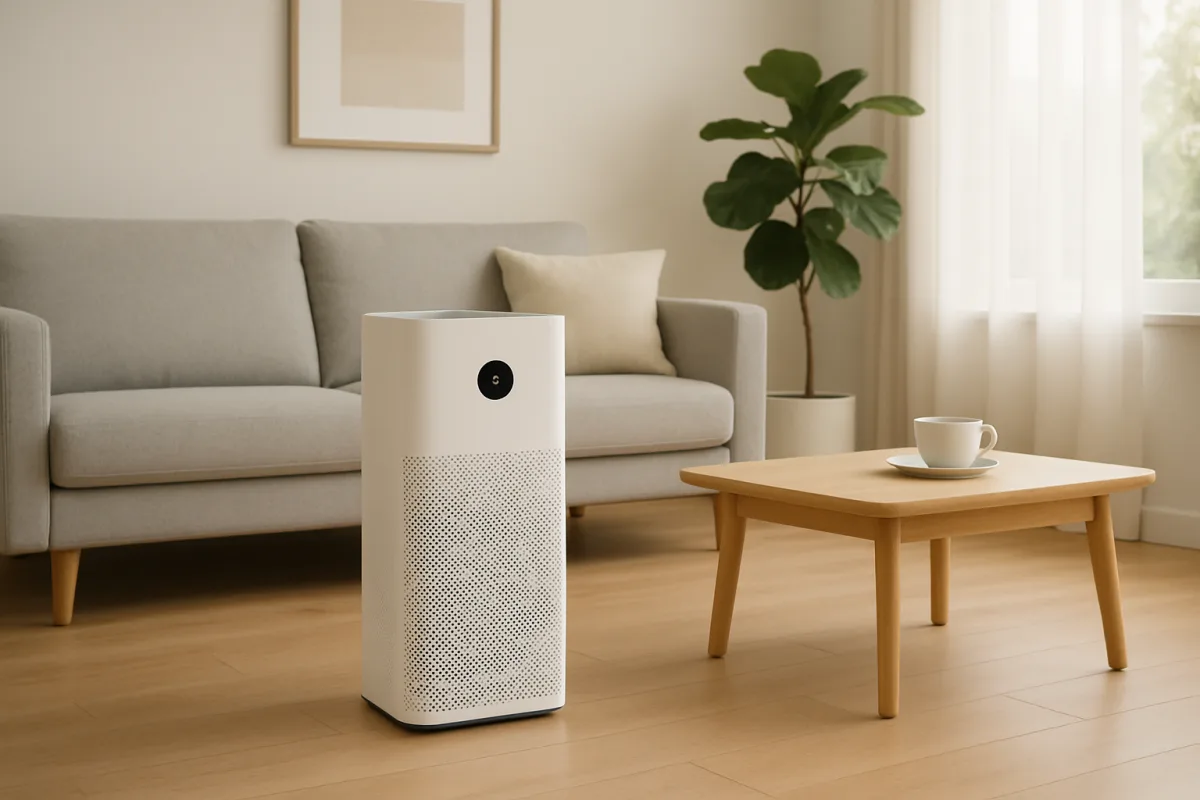
Air purifiers can significantly alleviate pet allergy symptoms by removing pet dander, hair, and other allergens from the air. The best options include the Coway AP-1512HH, known for its high efficiency and affordability, and the Honeywell HPA300, which offers powerful filtration for larger spaces. For those looking for smart features, the Dyson Pure Cool TP01 is a great choice, combining air purification with cooling. Each of these models has specific strengths, making them suitable for different room sizes and user preferences.
Quick Summary
Choosing the right air purifier for pet allergies can drastically improve indoor air quality and reduce allergy symptoms. Key options include the Coway AP-1512HH for its efficiency and cost-effectiveness, the Honeywell HPA300 for larger areas, and the Dyson Pure Cool TP01 for those wanting smart technology. Understanding the specific needs of your space and the type of allergens present will guide you to the best choice.
Curator Notes
Pet allergies are a common issue for many households, and air purifiers can play a crucial role in managing symptoms. These devices work by filtering out allergens such as pet dander, hair, and dust mites, providing a cleaner breathing environment. When selecting an air purifier, consider factors like room size, filter type, and noise levels to find the best fit for your home.
The Coway AP-1512HH is often praised for its high CADR (Clean Air Delivery Rate) and affordability. It features a four-stage filtration system, including a true HEPA filter, which captures 99.97% of particles as small as 0.3 microns. This model is particularly effective in medium-sized rooms and operates quietly, making it a favorite among users.
For larger spaces, the Honeywell HPA300 stands out due to its powerful performance. It can clean the air in a room up to 465 square feet, making it suitable for open living areas. Its true HEPA filter is designed for maximum efficiency, and it has multiple cleaning levels, allowing users to adjust based on their needs.
If you're interested in smart technology, the Dyson Pure Cool TP01 is an excellent option. It not only purifies the air but also functions as a fan, providing cooling relief during warmer months. Its sleek design and app connectivity allow for remote monitoring and control, making it a modern choice for tech-savvy users.
While these options are highly rated, it's essential to consider the maintenance costs associated with filter replacements. HEPA filters typically need to be replaced every 6-12 months, depending on usage, which can add to the overall cost of ownership. Additionally, some models may produce noise at higher settings, which could be a concern for light sleepers.
In summary, the best air purifier for pet allergies depends on your specific needs, including room size and desired features. The Coway AP-1512HH is ideal for budget-conscious consumers, the Honeywell HPA300 is perfect for larger spaces, and the Dyson Pure Cool TP01 is great for those who want advanced technology. Each model has its strengths and potential drawbacks, so weigh these factors carefully before making a decision.
Recommended Options
- Coway AP-1512HH: Best for Medium-sized rooms High CADR, affordable, quiet operation Signal checked: Highly rated by users for efficiency and performance Alternative to consider: Levoit Core 300 for a budget-friendly option
- Honeywell HPA300: Best for Large spaces Powerful filtration, multiple cleaning levels Signal checked: Recommended for large rooms by experts Alternative to consider: GermGuardian AC4825 for a compact alternative
- Dyson Pure Cool TP01: Best for Smart home integration Signal checked: Popular for its modern design and technology Alternative to consider: Blueair Blue Pure 211+ for a stylish option
Best Sources
Videos and Community Signals
Air Purifiers tested for their ability to filter out dust and smoke particles. They were also tested for their max power draw, CFM, and ...
I tested the Dyson Purifier Big+Quiet, BlueAir 211+, Jaspr Pro, Levoit Core 300, COWAY Airmega 250, and AIRDOCTOR 3500 - I ...
Comparison
| Decision Point | Good Starting Choice | When to Go Further |
|---|---|---|
| Room Size Coverage | Up to 350 sq ft | Up to 500 sq ft or more |
| Filter Type | HEPA filter | HEPA + activated carbon filter |
| Noise Level | Quiet operation | Adjustable noise settings for different environments |
FAQ
Typically, HEPA filters should be replaced every 6-12 months, depending on usage.
Yes, models with activated carbon filters can help reduce pet odors in addition to allergens.
Yes, most air purifiers are safe for pets. However, ensure they are placed out of reach to avoid any accidents.