AI Tools for Fact Checking
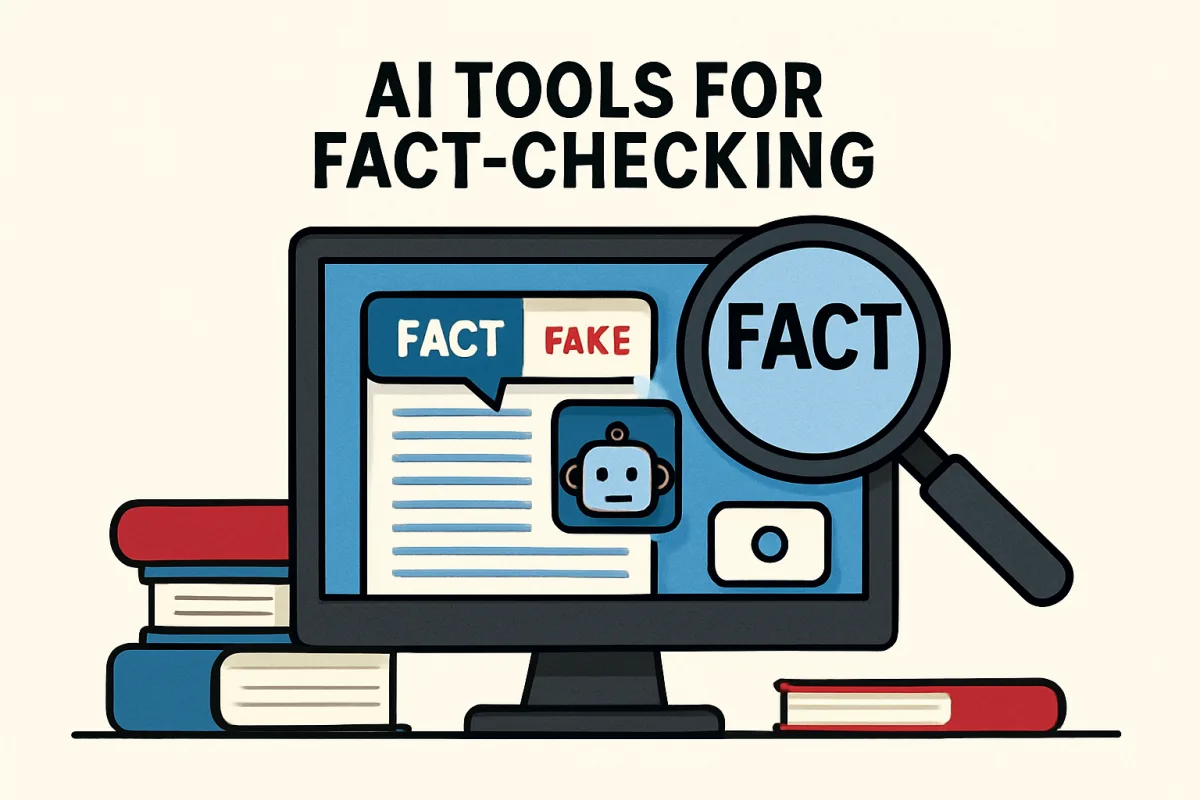
AI tools for fact-checking are essential for verifying information quickly and accurately. Notable options include Snopes, FactCheck.org, and ClaimBuster. These platforms utilize advanced algorithms and databases to assess the credibility of claims and sources, making them ideal for journalists, researchers, and the general public seeking reliable information. Each tool has unique features, such as user-friendly interfaces and extensive databases, which help users navigate the complex landscape of misinformation.
Quick Summary
This guide explores AI tools for fact-checking, highlighting key platforms like Snopes, FactCheck.org, and ClaimBuster. These tools are designed to help users verify information efficiently, making them invaluable for journalists and researchers. Each option offers distinct features that cater to different user needs.
Curator Notes
In today's information age, the prevalence of misinformation makes fact-checking more crucial than ever. AI tools designed for this purpose can streamline the verification process, allowing users to quickly assess the credibility of claims. Snopes is one of the most recognized platforms, offering a comprehensive database of fact-checked claims across various topics.
Its user-friendly interface and detailed explanations make it accessible for all users. FactCheck.org is another reputable source, focusing on political claims and providing in-depth analysis backed by research. It is particularly useful for journalists and political analysts who need to verify statements made by public figures.
ClaimBuster, on the other hand, leverages machine learning to identify claims in news articles and social media, providing real-time fact-checking capabilities. This tool is ideal for users looking for immediate verification while consuming content online. Each of these tools has its strengths and weaknesses, and the choice may depend on specific user needs, such as the type of information being verified or the desired speed of verification.
Overall, integrating these AI tools into your research process can significantly enhance the accuracy of information.
Recommended Options
- Snopes: Best for General public and journalists Comprehensive database of fact-checked claims across various topics. Signal checked: Widely recognized and trusted by users for its accuracy. Alternative to consider: FactCheck.org
- FactCheck.org: Best for Political analysts and journalists In-depth analysis of political claims with research backing. Signal checked: Reputable source for political fact-checking. Alternative to consider: PolitiFact
- ClaimBuster: Best for Real-time fact-checking Uses machine learning to identify claims in real-time. Signal checked: Innovative technology for immediate verification. Alternative to consider: Google Fact Check Explorer
Best Sources
Videos and Community Signals
Generative AI tools are powerful but imperfect. It is important to evaluate AI-generated content because AI tools can create ...
Ensure your content is accurate and trustworthy. Try our AI-powered fact-checking tool by signing up at Originality.ai today!
Comparison
| Decision Point | Good Starting Choice | When to Go Further |
|---|---|---|
| Database comprehensiveness | Snopes for general claims | FactCheck.org for political claims |
| Real-time verification | ClaimBuster for immediate needs | Google Fact Check Explorer for broader searches |
| User interface | Snopes for ease of use | FactCheck.org for detailed analysis |
FAQ
The best tool depends on your needs; Snopes is great for general claims, while FactCheck.org excels in political analysis.
Yes, most AI fact-checking tools like Snopes and FactCheck.org are free to access.
While they are generally reliable, it's important to cross-reference with multiple sources for accuracy.