AI Tools Everyone Will Use Soon
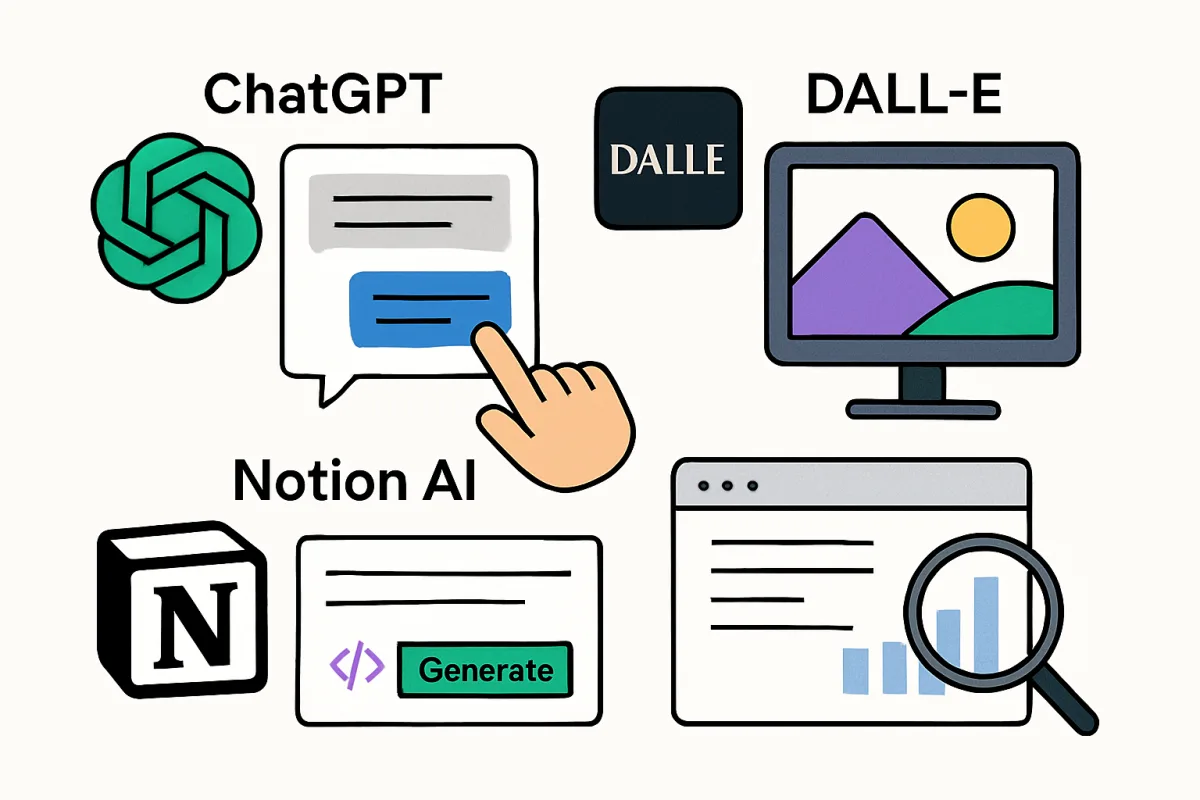
AI tools are rapidly evolving, and several are poised to become essential for everyday use. Notable examples include ChatGPT for conversational AI, DALL-E for image generation, and Notion AI for productivity enhancement. Each tool serves unique purposes, catering to different user needs, from creative professionals to business teams. These tools are backed by strong user adoption and positive reviews, indicating their growing importance in various sectors.
Quick Summary
As AI technology advances, several tools are emerging as must-haves for users across industries. This guide highlights key AI tools like ChatGPT, DALL-E, and Notion AI, detailing their unique features and applications. Understanding these tools will help users leverage AI effectively in their daily tasks.
Curator Notes
The landscape of AI tools is expanding rapidly, with several applications gaining traction among users. ChatGPT, developed by OpenAI, is a leading conversational AI tool that excels in generating human-like text, making it ideal for customer support, content creation, and brainstorming sessions. Its versatility and ease of use have contributed to its widespread adoption across various industries.
DALL-E, another innovative tool from OpenAI, specializes in generating images from textual descriptions. This tool is particularly beneficial for designers and marketers looking to create unique visuals without the need for extensive graphic design skills. Its ability to produce high-quality images based on simple prompts makes it a game-changer in creative fields.
Notion AI enhances productivity by integrating AI capabilities into the popular Notion workspace. It assists users in organizing tasks, generating content, and automating workflows, making it an excellent choice for teams seeking to streamline their operations. The combination of these tools illustrates the diverse applications of AI, catering to different user needs and preferences.
Recommended Options
- OpenAI ChatGPT: Best for Content creators and customer support teams Generates human-like text for various applications. Signal checked: Widely adopted with positive user feedback. Alternative to consider: Jasper AI for marketing-focused content generation.
- OpenAI DALL-E: Best for Designers and marketers needing unique visuals Creates high-quality images from text prompts. Signal checked: Gaining popularity for its creative capabilities. Alternative to consider: Midjourney for artistic image generation.
- Notion AI: Best for Teams looking to enhance productivity Integrates AI into task management and content creation. Signal checked: Strong user base and positive reviews. Alternative to consider: Trello with Butler for automation.
Best Sources
Videos and Community Signals
HubSpot's Free Guide: https://clickhubspot.com/5c4cca Every AI tool excels at one thing. #ChatGPT follows complex instructions ...
Looking for the best AI tools to boost productivity, automate tasks, and create content effortlessly? This video showcases 7 must-try ...
Comparison
| Decision Point | Good Starting Choice | When to Go Further |
|---|---|---|
| User Experience | ChatGPT for straightforward text generation. | DALL-E for complex image creation. |
| Integration | Notion AI for seamless task management. | ChatGPT for API integration into existing workflows. |
| Cost | Free tier available for ChatGPT. | Subscription models for DALL-E and Notion AI. |
FAQ
AI tools are software applications that utilize artificial intelligence to perform tasks that typically require human intelligence, such as understanding natural language, generating content, or creating images.
Consider your specific needs, such as content creation, design, or productivity enhancement, and evaluate tools based on user reviews, features, and integration capabilities.