AI Agents Explained Simply
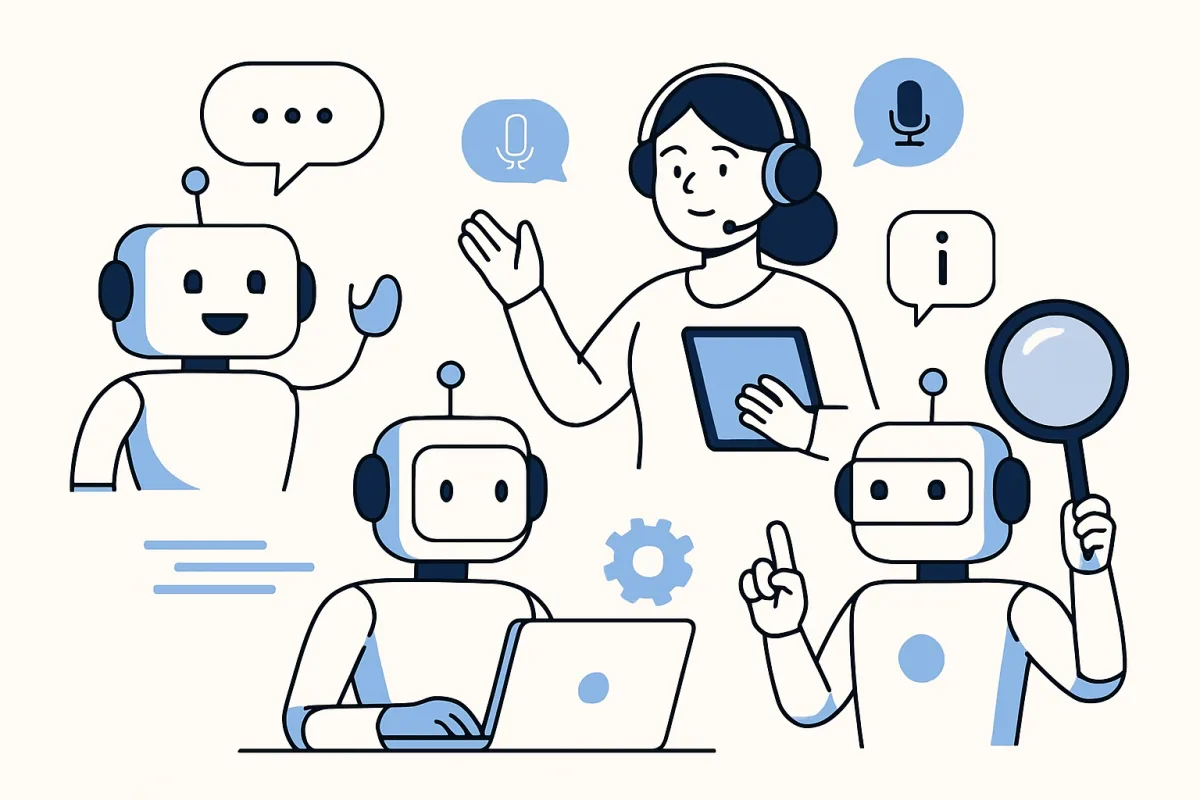
AI agents are software programs designed to perform tasks autonomously or semi-autonomously, often using machine learning and natural language processing. They can assist in various applications, from customer service to personal assistants. Understanding their capabilities and limitations is essential for leveraging their potential effectively.
Quick Summary
AI agents are autonomous software programs that utilize machine learning and natural language processing to perform tasks. They are increasingly used in diverse applications, enhancing efficiency and user experience.
Curator Notes
AI agents are designed to operate independently or with minimal human intervention, utilizing advanced algorithms to learn from data and improve their performance over time. They can be categorized into various types, including virtual assistants, chatbots, and recommendation systems, each serving distinct purposes across industries. One of the key benefits of AI agents is their ability to handle repetitive tasks, allowing human workers to focus on more complex issues.
However, they also come with challenges, such as the need for substantial data to train effectively and potential biases in decision-making processes. Understanding these aspects is crucial for organizations looking to implement AI agents successfully.
Best Sources
Videos and Community Signals
My AI Toolkit: https://academy.jeffsu.org/ai-toolkit?utm_source=youtube&utm_medium=video&utm_campaign=177 Understanding ...
AI Agents Explained: A Comprehensive Guide for Beginners by Alfie Marsh Co-Founder & CEO of https://www.getstation.ai/ (0:00) ...
Comparison
| Decision Point | Good Starting Choice | When to Go Further |
|---|---|---|
| Online booking | A simple booking page with service duration, staff assignment and confirmation emails. | Multi-location calendars, deposits, cancellation rules and waitlist handling. |
| Client records | Basic notes, visit history and contact details are enough to start. | Segmentation, purchase history, memberships, forms and before-after notes become more important. |
| Reminders | SMS or email reminders help reduce no-shows without adding admin work. | Automated rebooking, follow-up campaigns and missed-appointment recovery matter more. |
| Payments | Card capture and checkout should be simple and transparent. | Packages, memberships, staff commissions, tips and refunds need cleaner reporting. |
| Marketing | Light email or SMS campaigns are useful if they are easy to run. | Automated win-back, birthday offers, review requests and audience segments create more leverage. |
FAQ
The main types of AI agents include virtual assistants, chatbots, and recommendation systems, each tailored for specific tasks and industries.
AI agents learn through machine learning techniques, analyzing data to identify patterns and improve their decision-making capabilities.
Challenges include data requirements for training, potential biases, and the need for ongoing maintenance and updates.