AHA vs BHA: What's the Difference?
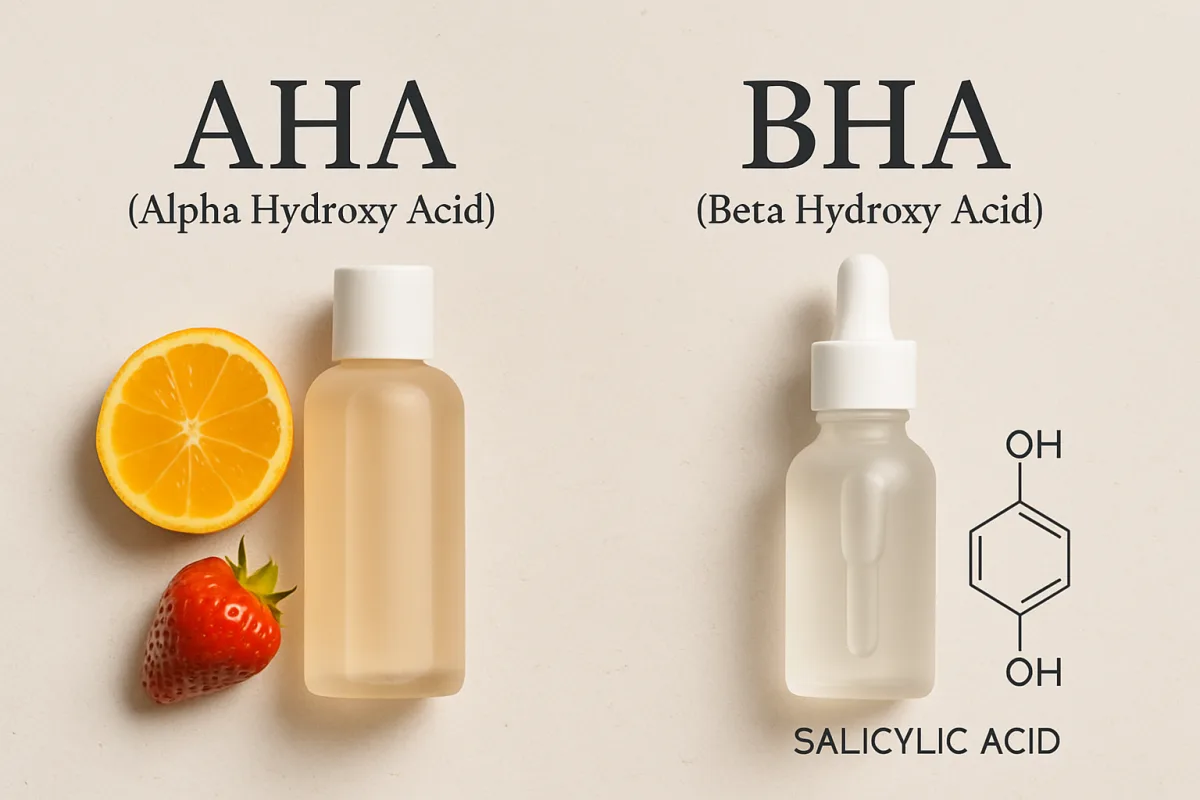
AHA (Alpha Hydroxy Acid) and BHA (Beta Hydroxy Acid) are both popular exfoliants used in skincare. AHA is water-soluble and primarily derived from fruits, making it effective for surface exfoliation and improving skin texture. It's ideal for dry or sun-damaged skin. BHA, on the other hand, is oil-soluble, allowing it to penetrate deeper into pores, making it suitable for oily and acne-prone skin. Both acids can help with skin renewal, but their specific benefits cater to different skin types and concerns.
Quick Summary
AHA and BHA are key ingredients in skincare, each serving distinct purposes. AHA is best for surface exfoliation and hydration, while BHA targets deeper pores and is ideal for oily skin. Understanding their differences can help you choose the right product for your skincare needs.
Curator Notes
AHA, or Alpha Hydroxy Acid, is primarily derived from fruits and is known for its ability to exfoliate the skin's surface. It works by loosening the bonds between dead skin cells, promoting cell turnover, and enhancing skin texture. This makes AHA particularly effective for individuals with dry or sun-damaged skin, as it helps to improve moisture retention and overall radiance.
Common AHAs include glycolic acid and lactic acid, both of which are widely used in various skincare products. In contrast, BHA, or Beta Hydroxy Acid, is oil-soluble, allowing it to penetrate deeper into the pores. This makes BHA an excellent choice for those with oily or acne-prone skin, as it can help to clear out clogged pores and reduce breakouts.
Salicylic acid is the most common form of BHA, known for its anti-inflammatory properties. While both AHAs and BHAs offer exfoliation benefits, the choice between them largely depends on your skin type and specific concerns. For instance, if you're looking to address surface-level issues like dullness, AHA may be the better option.
Conversely, if you struggle with acne or excess oil, BHA could be more beneficial.
Recommended Options
- Paula's Choice Skin Perfecting 2% BHA Liquid Exfoliant: Best for Oily and acne-prone skin Contains salicylic acid for deep pore cleansing and is well-reviewed for reducing breakouts. Signal checked: Highly rated by users and dermatologists for its effectiveness. Alternative to consider: The Ordinary Glycolic Acid 7% Toning Solution for AHA benefits.
- The Ordinary Lactic Acid 5% + HA: Best for Dry and sensitive skin Gentle exfoliation with added hyaluronic acid for hydration. Signal checked: Popular for its affordability and effectiveness in improving skin texture. Alternative to consider: Drunk Elephant T.L.C. Framboos Glycolic Night Serum for a stronger AHA option.
Best Sources
Videos and Community Signals
AHA and BHA are commonly used terms in skin care. Alpha hydroxy acids cause gentle skin exfoliation, removes dead cross and ...
When our skin always seems to change, but you're still confused over what chemical exfoliants to use, aka AHAs and BHAs, raise ...
Comparison
| Decision Point | Good Starting Choice | When to Go Further |
|---|---|---|
| Skin Type Suitability | AHA for dry or sun-damaged skin | BHA for oily or acne-prone skin |
| Exfoliation Depth | Surface exfoliation with AHA | Deeper pore cleansing with BHA |
| Hydration Benefits | AHA enhances moisture retention | BHA may be drying; follow with a moisturizer |
FAQ
Yes, but it's recommended to use them at different times to avoid irritation. For example, use AHA in the morning and BHA in the evening.
Start with 1-2 times a week and gradually increase frequency based on your skin's tolerance.