ADHD in Adults: Signs and Solutions
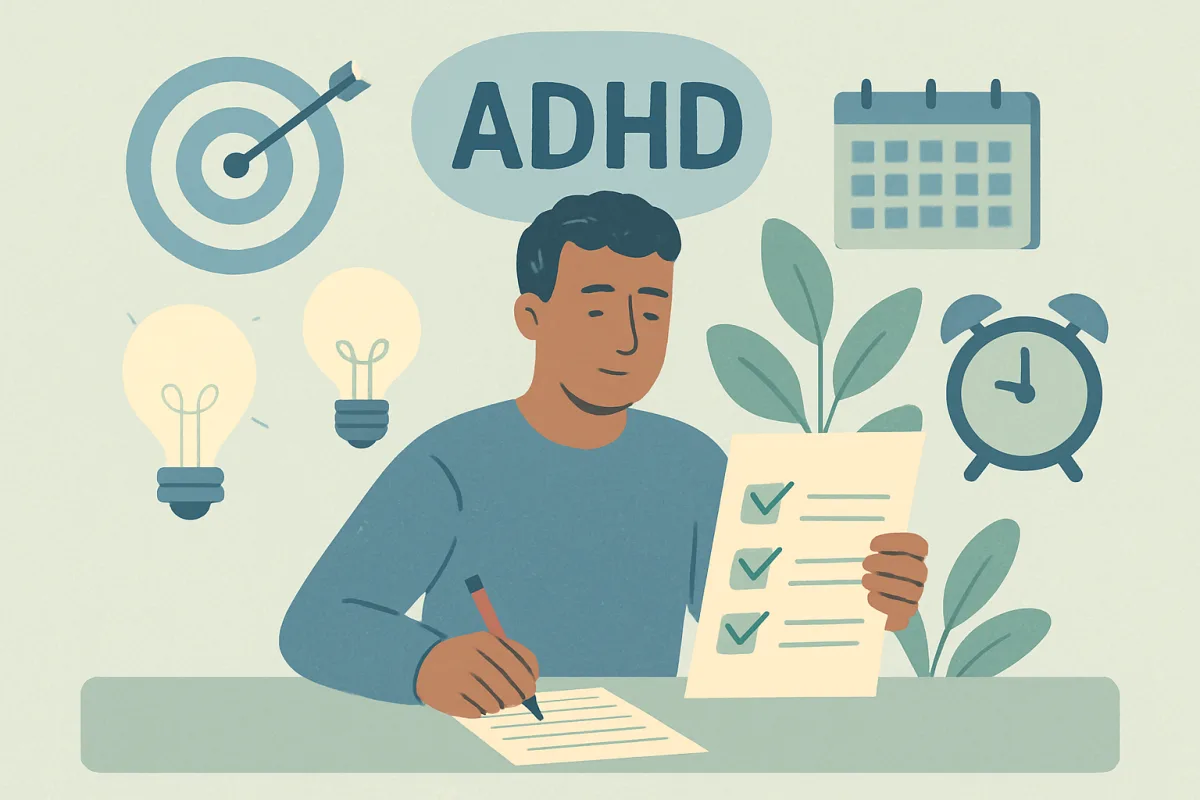
ADHD in adults often manifests through symptoms such as chronic disorganization, difficulty focusing, impulsivity, and emotional instability. Solutions include behavioral therapy, medication, and lifestyle changes. Understanding these signs can lead to effective management strategies tailored to individual needs.
Quick Summary
Recognizing ADHD in adults is crucial for effective management. Symptoms often include chronic disorganization, impulsivity, and emotional challenges. Solutions range from behavioral therapy and medication to lifestyle adjustments. Tailoring these approaches to individual needs can significantly improve daily functioning and overall well-being.
Curator Notes
ADHD in adults can often be overlooked, but recognizing its signs is essential for effective management. Common symptoms include chronic disorganization, difficulty maintaining focus, impulsivity, and emotional instability. Adults may also experience challenges in relationships and work settings due to these symptoms, which can lead to frustration and low self-esteem.
Understanding these signs is the first step toward seeking help and implementing effective strategies. Behavioral therapy is one of the most recommended solutions for managing ADHD in adults. It focuses on developing coping strategies and organizational skills, which can significantly improve daily functioning.
Cognitive-behavioral therapy (CBT) is particularly effective as it helps individuals reframe negative thought patterns and develop practical skills to manage symptoms. Medication is another common approach, often involving stimulants like amphetamines or non-stimulants such as atomoxetine. While medication can be effective in reducing symptoms, it’s essential to monitor side effects and work closely with a healthcare provider to find the right dosage and type.
Some individuals may prefer to avoid medication due to potential side effects, making therapy a more appealing option. Lifestyle changes can also play a significant role in managing ADHD symptoms. Regular exercise, a balanced diet, and adequate sleep can enhance focus and emotional regulation.
Mindfulness practices, such as meditation, have also shown promise in helping adults with ADHD manage stress and improve concentration. Support groups can provide a sense of community and understanding, allowing individuals to share experiences and coping strategies. Connecting with others who face similar challenges can reduce feelings of isolation and provide valuable insights.
It’s important to note that ADHD management is not one-size-fits-all. Each individual may respond differently to various treatments, so a personalized approach is crucial. Consulting with healthcare professionals who specialize in ADHD can help tailor strategies to fit specific needs and circumstances.
Finally, ongoing education about ADHD can empower individuals to advocate for themselves and seek the resources they need. Understanding the condition can demystify experiences and lead to more effective management strategies, ultimately improving quality of life.
Recommended Options
- Cognitive Behavioral Therapy (CBT): Best for Individuals seeking non-medication solutions CBT helps reframe negative thoughts and develop practical coping strategies. Signal checked: Widely supported by psychological research and clinical studies. Alternative to consider: Mindfulness-based stress reduction programs.
- Shire Adderall: Best for Adults needing immediate symptom relief Effective stimulant for improving focus and reducing impulsivity. Signal checked: Commonly prescribed with a strong track record in clinical settings. Alternative to consider: Strattera (atomoxetine) for those preferring non-stimulant options.
- Headspace Mindfulness Meditation Apps: Best for Individuals looking to improve focus and reduce anxiety Guided sessions tailored for adults with ADHD. Signal checked: Positive user reviews and studies supporting mindfulness benefits. Alternative to consider: Calm app for relaxation and focus.
Best Sources
Videos and Community Signals
Think only kids have ADHD? Think again. One in 20 Canadian adults have ADHD and only one in 10 of those sufferers are ever ...
Unlock access to MedCircle's ADHD workshops & series, plus connect with others who have experienced ADHD through your ...
Comparison
| Decision Point | Good Starting Choice | When to Go Further |
|---|---|---|
| Therapy Type | Cognitive Behavioral Therapy (CBT) for coping strategies | Dialectical Behavior Therapy (DBT) for emotional regulation |
| Medication Type | Stimulants like Adderall for quick relief | Non-stimulants like Strattera for long-term management |
| Lifestyle Changes | Regular exercise to enhance focus | Mindfulness practices for emotional stability |
FAQ
Common signs include chronic disorganization, impulsivity, difficulty focusing, and emotional instability.
Treatment options include behavioral therapy, medication, and lifestyle changes tailored to individual needs.
Yes, regular exercise, a balanced diet, and mindfulness practices can significantly improve symptoms.