5K vs 10K Training Plans Compared
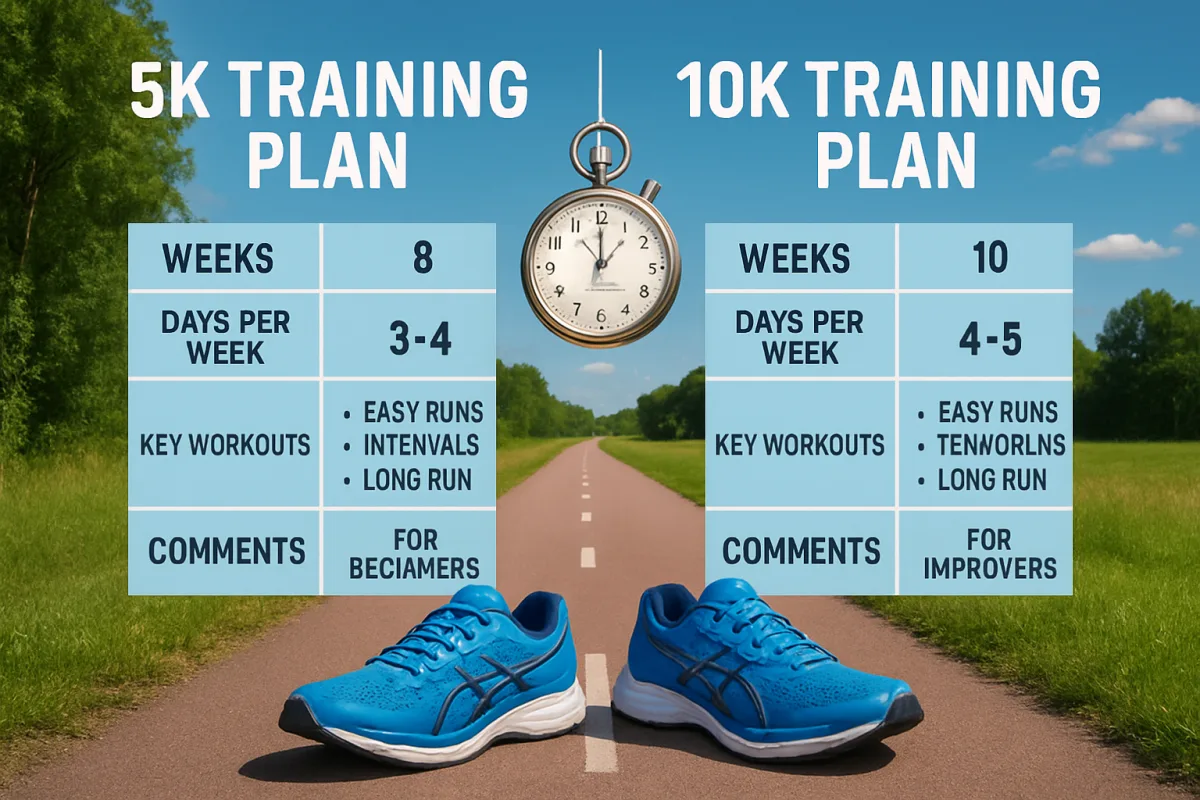
Choosing between 5K and 10K training plans hinges on your current fitness level, goals, and available time. A 5K plan typically focuses on building a solid running base, ideal for beginners or those looking to improve their speed. In contrast, a 10K plan demands a greater commitment, often incorporating longer runs and more varied workouts, making it suitable for intermediate runners aiming to enhance endurance. Ultimately, the decision should align with your personal fitness aspirations and lifestyle.
Quick Summary
The choice between 5K and 10K training plans significantly impacts your running journey. A 5K plan is generally more accessible, focusing on shorter distances and speed, making it perfect for newcomers. On the other hand, a 10K plan requires more dedication, introducing longer runs and varied workouts to build endurance. Understanding your fitness level and goals is crucial in selecting the right plan, ensuring that your training aligns with your aspirations and lifestyle.
Curator Notes
When deciding between 5K and 10K training plans, it's essential to consider your current fitness level and running experience. A 5K plan is often more beginner-friendly, typically spanning 8-12 weeks. It emphasizes building a solid foundation with shorter runs, allowing new runners to gradually increase their distance and speed.
This plan usually includes interval training, which helps improve pace without overwhelming the body. In contrast, a 10K training plan is more demanding and is generally suited for those who have completed a 5K or have some running experience. These plans often last 10-16 weeks and incorporate longer runs, hill workouts, and tempo runs.
The added distance requires a greater time commitment and a more structured approach to training, which can be a significant factor for busy individuals. A common misconception is that 10K plans are merely an extension of 5K plans. While they share some similarities, the intensity and volume of training differ significantly.
Runners may find that a 10K plan not only builds endurance but also enhances overall running efficiency, which can be beneficial for future races. In terms of injury risk, both plans require careful attention to recovery and cross-training. Beginners might find a 5K plan less taxing, reducing the likelihood of injury.
However, those who are ready for a challenge may thrive in a 10K plan, provided they listen to their bodies and adjust their training accordingly. Nutrition and hydration also play crucial roles in both plans. As distances increase, so do the nutritional needs.
Runners should focus on a balanced diet rich in carbohydrates, proteins, and healthy fats, with an emphasis on hydration, especially during longer training sessions. Ultimately, the best choice depends on your personal goals. If you're aiming to complete your first race or improve your speed, a 5K plan is an excellent starting point.
Conversely, if you're looking to challenge yourself and build endurance, a 10K plan may be the way to go. Assess your lifestyle, running history, and fitness aspirations to make an informed decision that aligns with your objectives.
Recommended Options
- Active.com Couch to 5K: Best for Beginners looking to start running Structured and gradual approach to running Signal checked: Widely recommended by fitness experts and users Alternative to consider: RunKeeper 5K Training Plan
- Hal Higdon's 10K Training Program: Best for Intermediate runners aiming for a 10K Signal checked: Highly rated by runners and coaches Alternative to consider: Jeff Galloway's 10K Training Plan
Best Sources
Videos and Community Signals
Book a free 15-minute Performance Call to learn how I help runners PB: http://coaching.allin.run/call I love running, you can see ...
Done a 5k and looking for your next challenge? Mo shares his ten tips to hack your way to a 10k. ↓↓Are you taking on a 10k race ...
Comparison
| Decision Point | Good Starting Choice | When to Go Further |
|---|---|---|
| Training Duration | 8-12 weeks for 5K | 10-16 weeks for 10K |
| Weekly Mileage | 10-15 miles per week | 20-30 miles per week |
| Types of Workouts | Short runs and intervals | Long runs, tempo, and hill workouts |
| Injury Risk | Lower risk for beginners | Higher risk if not managed properly |
| Nutrition Focus | Basic hydration and snacks | Increased focus on carbs and hydration strategies |
FAQ
Yes, transitioning is common and recommended after completing a 5K.
Consider your current fitness level, running experience, and goals.
It's best to adjust your schedule and not skip workouts too frequently.