LLC vs Sole Proprietorship Compared
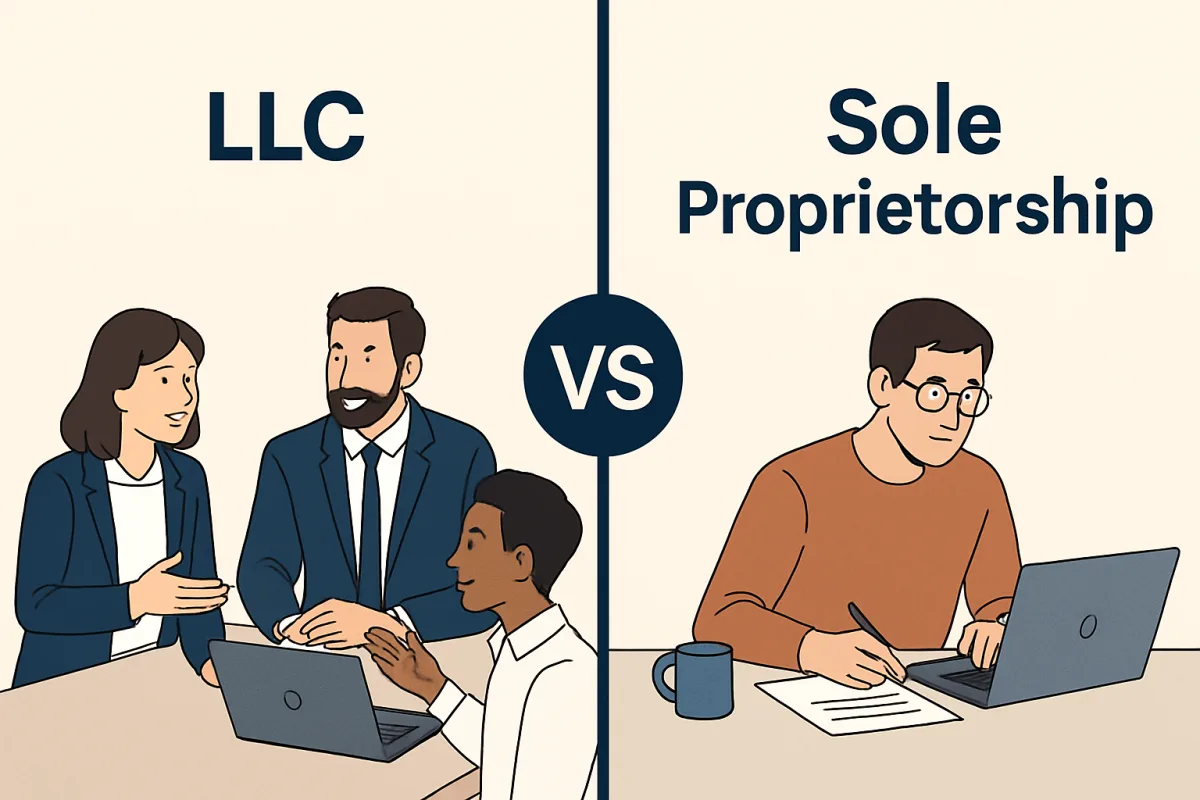
Choosing between an LLC and a sole proprietorship is crucial for business structure and liability. An LLC (Limited Liability Company) offers personal liability protection and can have multiple members, making it suitable for those seeking to limit personal risk. In contrast, a sole proprietorship is simpler and more cost-effective, ideal for solo entrepreneurs who want full control without the complexities of formal registration. Each option has distinct tax implications and operational requirements.
Quick Summary
This guide compares LLCs and sole proprietorships, highlighting their key differences in liability, taxation, and operational complexity. An LLC provides personal liability protection, while a sole proprietorship is easier to set up and manage. Understanding these distinctions is vital for making informed business decisions.
Curator Notes
When deciding between an LLC and a sole proprietorship, the primary consideration is liability. An LLC protects personal assets from business debts and legal actions, making it a safer choice for those at risk of lawsuits or significant financial obligations. This structure also allows for multiple members, which can facilitate investment and shared management responsibilities.
On the other hand, a sole proprietorship is the simplest business structure, requiring minimal paperwork and lower startup costs. It allows full control over business decisions but does not provide personal liability protection. This means that personal assets are at risk if the business incurs debt or faces legal challenges.
Additionally, tax treatment differs; LLCs can choose how they are taxed, while sole proprietors report business income on their personal tax returns, potentially leading to higher self-employment taxes. Ultimately, the choice between an LLC and a sole proprietorship should be guided by the level of risk, the complexity of operations, and long-term business goals. Entrepreneurs should weigh the benefits of liability protection against the simplicity and cost-effectiveness of a sole proprietorship.
Best Sources
Videos and Community Signals
LLC vs Sole Proprietor! Become a Tax Client: https://mycpacoach.com/tax-planning-services/ Outline: Intro: (0:00) What is a Sole ...
Forming an LLC doesn't change your taxes; you're still taxed like a Sole Proprietor. But it does offer legal protection. Consider ...
Comparison
| Decision Point | Good Starting Choice | When to Go Further |
|---|---|---|
| Liability Protection | Sole Proprietorship: No protection; personal assets at risk. | LLC: Protects personal assets from business liabilities. |
| Taxation | Sole Proprietorship: Income taxed as personal income. | LLC: Flexible taxation options; can be taxed as a corporation. |
| Setup Complexity | Sole Proprietorship: Simple, minimal paperwork. | LLC: More complex, requires registration and ongoing compliance. |
| Management Structure | Sole Proprietorship: Owned and managed by one individual. | LLC: Can have multiple members with shared management. |
FAQ
The main advantage of an LLC is personal liability protection, which safeguards personal assets from business debts and legal actions.
Yes, a sole proprietorship can be converted to an LLC, but this involves filing the necessary paperwork and may have tax implications.
It depends on the business's income and expenses. An LLC offers more flexibility in taxation, while a sole proprietorship is simpler but may result in higher self-employment taxes.