Hybrid vs Plug-In Hybrid Cars
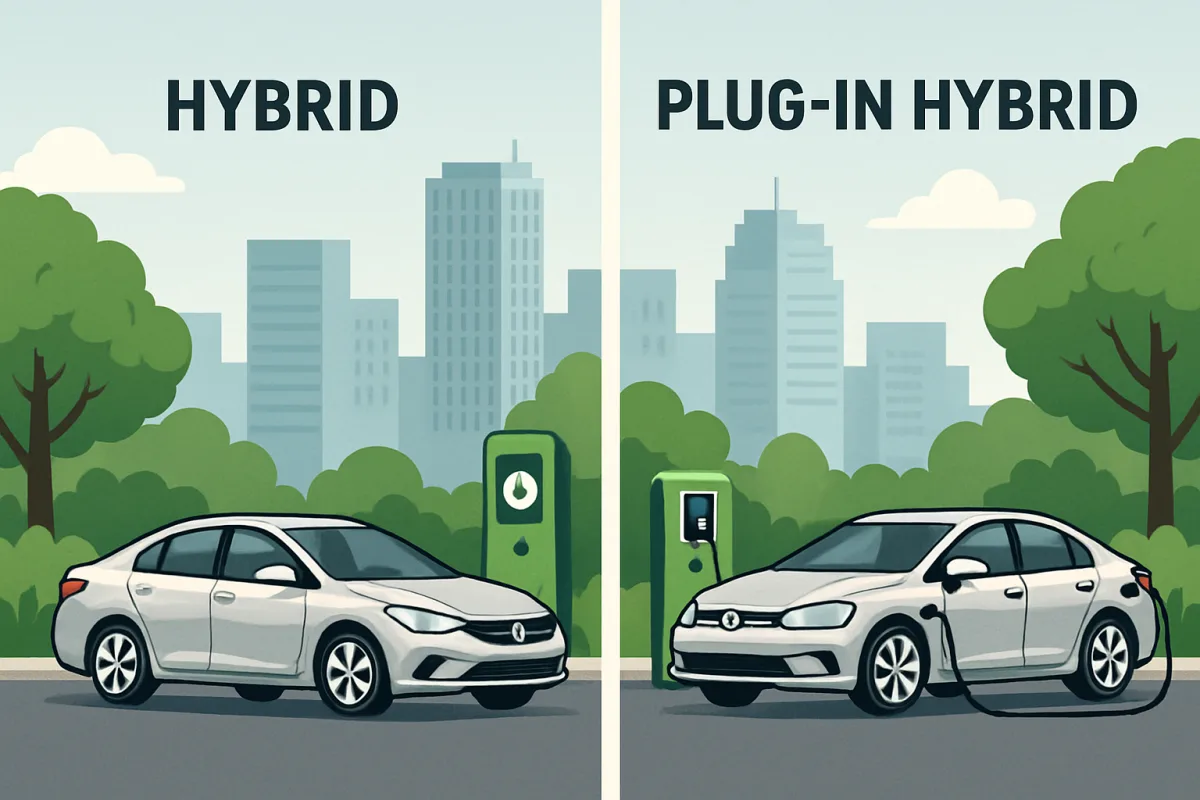
Hybrid cars use both a gasoline engine and an electric motor to improve fuel efficiency, while plug-in hybrid cars (PHEVs) can be charged from an external power source and typically offer a longer electric-only range. The choice between the two depends on driving habits, charging availability, and environmental considerations. For those who drive short distances and have access to charging, PHEVs can be more economical and eco-friendly. Conversely, traditional hybrids are often simpler and require less commitment to charging infrastructure.
Quick Summary
Understanding the differences between hybrid and plug-in hybrid cars is crucial for potential buyers. Hybrids combine a gasoline engine with an electric motor, optimizing fuel efficiency without the need for external charging. Plug-in hybrids, however, can be charged at home and offer a longer electric range, making them ideal for short commutes. The decision hinges on individual driving patterns, access to charging stations, and environmental goals. Each option has its advantages and trade-offs that should be carefully considered.
Curator Notes
Hybrid cars are designed to enhance fuel efficiency by combining a traditional gasoline engine with an electric motor. They automatically switch between the two power sources, optimizing performance based on driving conditions. This means that drivers benefit from improved fuel economy without needing to plug in for charging.
For many, this simplicity is a significant advantage, as it requires no additional infrastructure or charging habits. On the other hand, plug-in hybrid electric vehicles (PHEVs) take this concept further by allowing drivers to charge their batteries from an external power source. This capability enables PHEVs to operate on electric power alone for a certain distance—typically between 20 to 50 miles—before switching to gasoline.
This feature can be particularly appealing for those with short commutes, as it allows for significant fuel savings and reduced emissions. One of the key considerations when choosing between these two types of vehicles is the availability of charging infrastructure. For those who have access to home charging or public charging stations, a PHEV may be the better option.
However, if charging is inconvenient or unavailable, a traditional hybrid might be more practical. Cost is another important factor. Generally, PHEVs tend to be more expensive upfront due to their larger battery systems and additional technology.
However, they can offer savings on fuel costs over time, especially for drivers who can maximize their electric range. Additionally, many regions offer incentives for purchasing electric or hybrid vehicles, which can help offset the initial investment. Environmental impact is also a significant consideration.
PHEVs can contribute to lower emissions, especially when charged with renewable energy sources. However, the overall environmental benefit depends on how often the vehicle is charged and the source of the electricity used for charging. Ultimately, the decision between a hybrid and a plug-in hybrid car should be based on individual driving habits, budget, and environmental priorities.
Each option presents unique advantages and trade-offs that can significantly affect the ownership experience. Understanding these differences can help potential buyers make an informed choice that aligns with their lifestyle and values. In summary, both hybrid and plug-in hybrid vehicles offer compelling benefits, but they cater to different needs.
Evaluating personal circumstances, such as daily driving distance and access to charging, will guide buyers toward the most suitable option for their situation.
Recommended Options
- Toyota Prius: Best for Eco-conscious drivers seeking reliability The Prius is known for its exceptional fuel efficiency and reliability. Signal checked: Consistently high ratings in fuel economy and customer satisfaction. Alternative to consider: Honda Insight
- Honda Clarity Plug-In Hybrid: Best for Drivers wanting a blend of electric and gas power Offers a spacious interior and a strong electric-only range. Signal checked: Positive reviews for comfort and performance. Alternative to consider: Toyota RAV4 Prime
- Ford Escape Plug-In Hybrid: Best for Families needing space and efficiency Combines SUV versatility with hybrid efficiency. Signal checked: Good safety ratings and family-friendly features. Alternative to consider: Kia Niro Plug-In Hybrid
Best Sources
Videos and Community Signals
Hybrid #PlugInHybrid #VWPassat The latest generation of plug-in hybrids have proved that they can be a convincing halfway ...
How do PHEVs Work? In this video, you will gain an overview of the Toyota Plug-in Hybrid Electric Vehicle (PHEV) powertrain ...
Comparison
| Decision Point | Good Starting Choice | When to Go Further |
|---|---|---|
| Electric Range | Hybrid cars typically have no electric-only range. | Plug-in hybrids offer 20-50 miles on electric power. |
| Charging Infrastructure | No charging needed; runs on gasoline and regenerative braking. | Requires access to home or public charging stations. |
| Cost | Generally lower upfront cost. | Higher initial cost but potential long-term savings on fuel. |
| Environmental Impact | Reduced emissions compared to traditional vehicles. | Lower emissions, especially with renewable energy charging. |
FAQ
The main difference is that hybrids cannot be charged externally and rely on gasoline and regenerative braking, while plug-in hybrids can be charged from an external source and typically offer a longer electric-only range.
Yes, plug-in hybrids generally have a higher upfront cost due to their larger battery systems, but they can offer savings on fuel over time.
While it's not strictly necessary, having access to a charging station at home or work can maximize the benefits of a plug-in hybrid.