How to Start a Photography Business
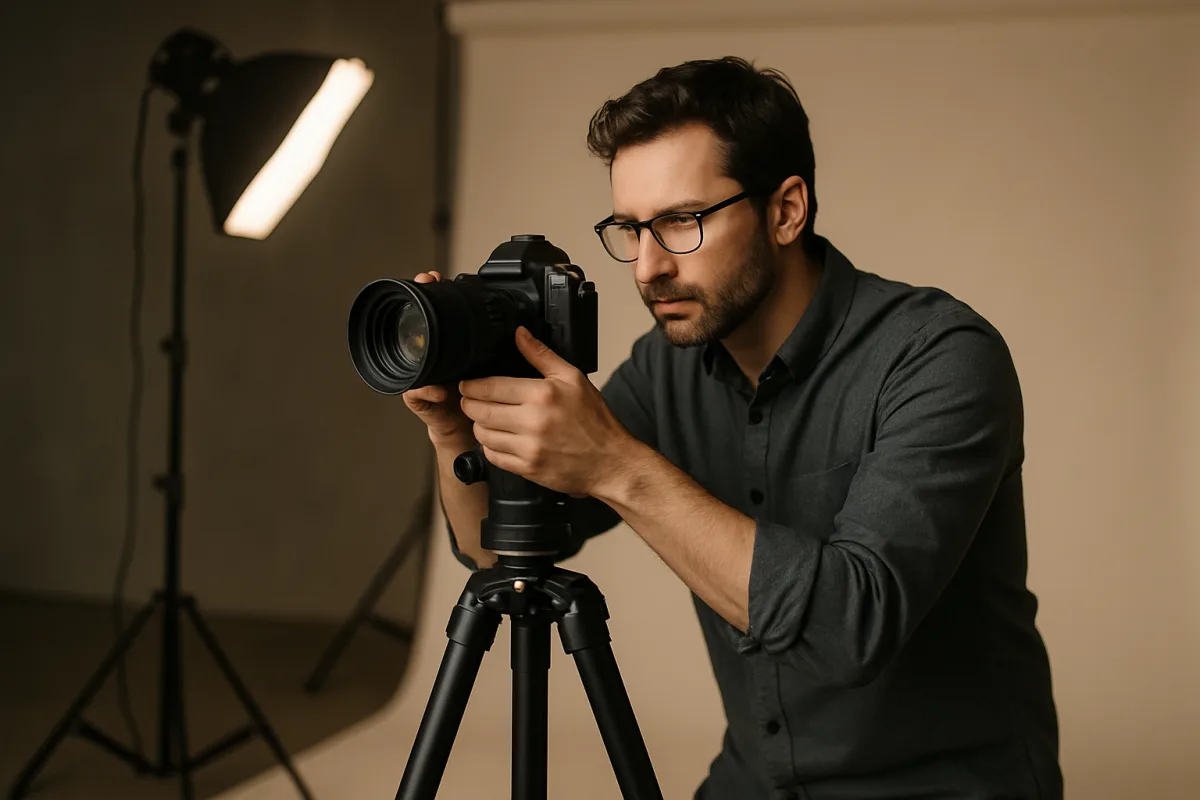
Starting a photography business involves several key steps: defining your niche, creating a business plan, investing in quality equipment, and marketing your services. Begin by identifying what type of photography you want to specialize in, such as portrait, wedding, or commercial photography. Next, develop a comprehensive business plan that outlines your goals, target audience, and financial projections. Invest in high-quality cameras and lenses, and consider software for editing. Finally, utilize social media and a professional website to showcase your portfolio and attract clients.
Quick Summary
To start a photography business, define your niche, create a business plan, invest in quality equipment, and market your services effectively. Focus on building a strong portfolio and leveraging online platforms to reach potential clients.
Curator Notes
Starting a photography business requires careful planning and execution. First, it's essential to define your niche. Are you interested in portrait photography, weddings, events, or commercial work?
Each niche has its own requirements and target audience, so choosing one that aligns with your passion and skills is crucial for long-term success. Next, create a detailed business plan. This should include your business goals, target audience, pricing strategy, and financial projections.
A well-structured plan will guide your decisions and help secure funding if needed. Additionally, investing in quality equipment is vital. A good camera, lenses, and editing software can significantly impact the quality of your work and client satisfaction.
Finally, marketing your services is key to attracting clients. Build a professional website to showcase your portfolio, and utilize social media platforms to reach a broader audience. Networking with other professionals in the industry can also lead to referrals and collaborations, further enhancing your business's visibility.
Recommended Options
- Canon EOS R6: Best for Portrait and event photographers Offers excellent low-light performance and fast autofocus. Signal checked: Highly rated by professionals for its image quality and versatility. Alternative to consider: Nikon Z6 II
- Adobe Lightroom: Best for Photographers needing robust editing tools Industry-standard for photo editing with powerful organizational features. Signal checked: Widely used by professionals and praised for its user-friendly interface. Alternative to consider: Capture One
- Squarespace: Best for Photographers wanting a professional online presence Signal checked: Popular among creatives for its design flexibility and customer support. Alternative to consider: Wix
Best Sources
Videos and Community Signals
This is the one photography business secret that nobody teaches you but the most successful photographers are using to get ...
How To Start A Photography Side Hustle In 5 Easy Steps // Are you looking to make money with photography? Or maybe you want ...
Comparison
| Decision Point | Good Starting Choice | When to Go Further |
|---|---|---|
| Niche Selection | Choose a popular niche like wedding photography. | Explore specialized niches like drone photography for unique opportunities. |
| Business Plan | Create a simple outline of services and pricing. | Develop a comprehensive plan including marketing strategies and financial forecasts. |
| Equipment Investment | Start with a good entry-level DSLR. | Invest in high-end cameras and lenses as your business grows. |
| Marketing Strategy | Utilize social media platforms for visibility. | Implement SEO strategies and collaborate with local businesses for referrals. |
FAQ
At a minimum, you'll need a good camera, lenses, a tripod, and editing software. As you grow, consider additional gear like lighting equipment.
Research local competitors and consider your costs, including equipment, time, and overhead, to set competitive yet profitable prices.
Utilize social media, create a professional website, and network with other professionals to attract clients.