Equity Splits for Co-Founders
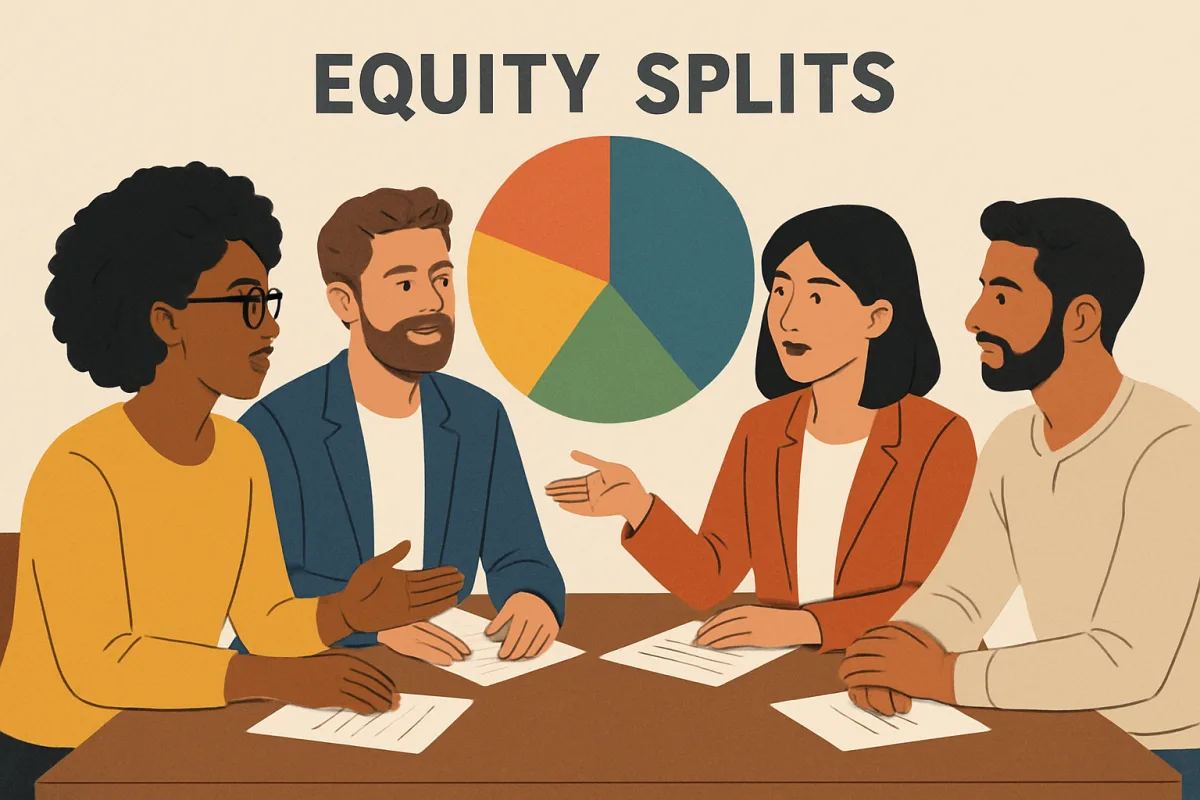
Equity splits among co-founders can significantly impact a startup's success. Common methods for determining equity include equal splits, dynamic equity, and vesting schedules. Equal splits are straightforward but may not reflect individual contributions. Dynamic equity adjusts based on ongoing contributions, while vesting schedules incentivize long-term commitment. Each method has its pros and cons, and the best choice depends on the specific dynamics and goals of the founding team.
Quick Summary
Determining equity splits for co-founders is crucial for startup success. Common methods include equal splits, dynamic equity, and vesting schedules. Each method has unique advantages and trade-offs, making it essential to choose the right approach based on the team's dynamics and contributions.
Curator Notes
Equity splits among co-founders can set the tone for collaboration and motivation within a startup. An equal split is the simplest approach, often appealing for its fairness. However, it may not accurately reflect the varying contributions and risks taken by each founder.
This can lead to resentment if one founder feels they are contributing more than others. Dynamic equity offers a more flexible approach, adjusting ownership based on ongoing contributions. This method can foster a sense of fairness as it recognizes the evolving nature of each founder's input.
However, it can also complicate future negotiations and may require clear agreements to avoid disputes. Vesting schedules are another popular method, where equity is granted over time, incentivizing long-term commitment. This approach can help retain talent and ensure that founders remain engaged.
However, it may not be suitable for all teams, especially if immediate contributions are critical to the startup's success. Each method has its pros and cons, and the best choice depends on the specific dynamics and goals of the founding team.
Recommended Options
- Founders' Equity Calculator: Best for Startups needing a structured approach to equity splits Provides a clear framework for calculating equity based on contributions and roles. Signal checked: Widely used by startup accelerators and incubators. Alternative to consider: Equity Split Tool by CoFoundersLab
- CoFoundersLab: Best for Founders looking for networking and equity advice Offers resources and a community for co-founders to discuss equity and roles. Signal checked: Positive reviews from startup founders. Alternative to consider: Founder Institute
- Gust: Best for Startups seeking funding and equity management Integrates equity management with funding opportunities. Signal checked: Used by numerous startups for fundraising. Alternative to consider: SeedInvest
Best Sources
Videos and Community Signals
Y Combinator CEO and Partner Michael Seibel on splitting equity between cofounders. https://twitter.com/mwseibel Y Combinator ...
Use our Cap Table → https://yt.slidebean.com/la0 We help you navigate Fundraising → https://yt.slidebean.com/uza -- If you liked ...
Comparison
| Decision Point | Good Starting Choice | When to Go Further |
|---|---|---|
| Equity Split Method | Equal Split - Simple and fair for small teams. | Dynamic Equity - Best for teams with varying contributions. |
| Incentives | None - Equal splits may not incentivize performance. | Vesting Schedules - Encourages long-term commitment. |
| Complexity | Low - Easy to implement and understand. | High - Requires ongoing evaluation and negotiation. |
FAQ
The best method depends on the dynamics of the founding team. Equal splits are simple, while dynamic equity and vesting schedules offer flexibility and incentives.
Disputes can be resolved through clear agreements and open communication. Legal counsel may also be needed for formal agreements.